
Large vertical wall art has become one of the most effective ways to transform interior spaces. Whether you are decorating a home, office, hotel, or commercial building, large vertical wall art instantly captures attention and creates a sense of height, elegance, and personality. Unlike smaller decorative pieces, oversized vertical artwork naturally draws the eye upward, making ceilings appear taller while adding visual balance to empty walls.
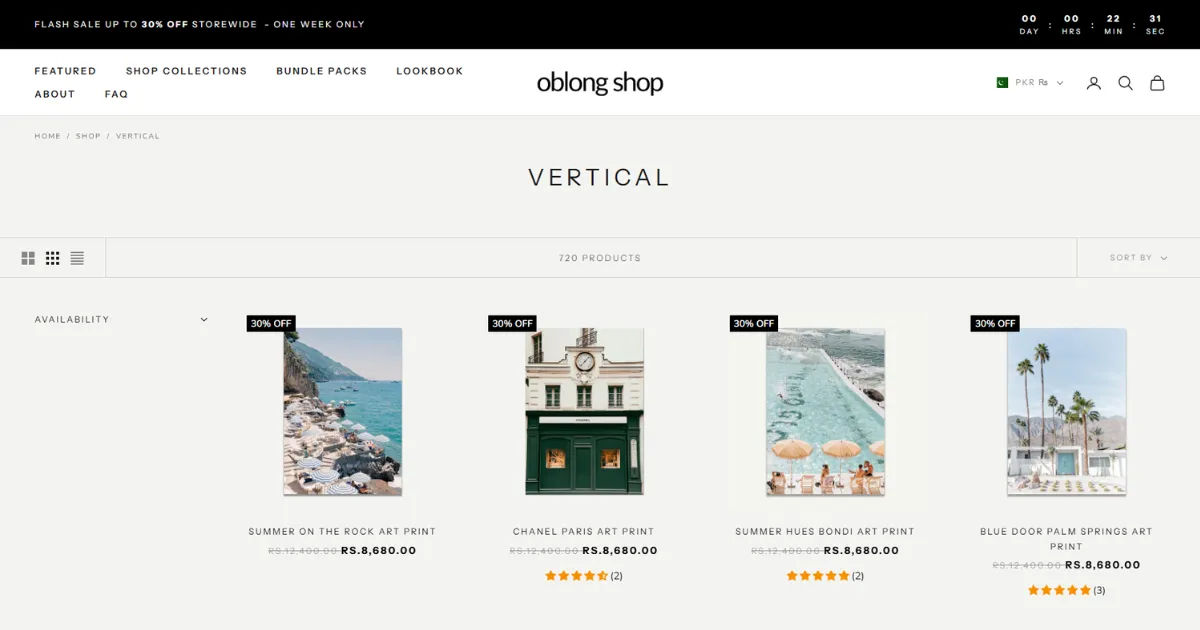
Choosing the right location for large vertical wall art is just as important as selecting the artwork itself. Placement determines how much visual impact the piece creates and how well it complements furniture, lighting, and architectural features. A thoughtfully positioned artwork can become the centerpiece of a room, making the entire space feel more refined and inviting.
This guide explains where large vertical wall art creates the greatest impact, why vertical designs work so well, and how to maximize their effect in different environments.
Why Large Vertical Wall Art Makes Such a Strong Impression
Vertical artwork naturally emphasizes height. Human eyes tend to follow vertical lines upward, creating the illusion of larger spaces. This makes tall artwork especially useful in homes with high ceilings or narrow walls.
Besides improving proportions, large artwork also reduces the need for multiple smaller decorations. Instead of filling a wall with several unrelated frames, one carefully selected piece creates a clean, sophisticated appearance.
Some of the biggest benefits include:
- Makes rooms feel taller
- Creates a dramatic focal point
- Adds personality instantly
- Fills awkward empty wall space
- Enhances modern and traditional interiors
- Improves visual balance
- Complements architectural features
These advantages explain why designers frequently recommend oversized vertical artwork for residential and commercial projects.
Living Rooms
Above the Sofa
The living room is often the first place guests notice when entering a home. Hanging large vertical wall art near or above the sofa creates an immediate focal point that anchors the seating area.
The artwork should be proportional to the furniture below it. Tall canvases work particularly well when ceilings are high because they visually connect the floor to the ceiling.
Neutral abstract art creates a calming atmosphere, while colorful pieces introduce energy and personality.
Beside Fireplaces
Many homes have narrow wall sections beside fireplaces. These spaces can feel empty if left undecorated.
Tall artwork fits these areas naturally because the proportions complement the vertical architecture of the fireplace without competing for attention.
Accent Walls
If one wall is painted in a bold color or covered with textured wallpaper, placing oversized artwork there enhances the feature rather than overwhelming it.
Minimal frames and simple compositions often work best on statement walls.
Entryways and Foyers
Creating a Memorable First Impression
Entryways set expectations for the rest of the home.
Installing a tall artwork near the front door immediately introduces style while making the entrance feel welcoming.
Since foyers often have high ceilings but limited furniture, vertical artwork fills the visual space beautifully.
Staircase Entrances
Walls adjacent to staircases frequently remain undecorated because of their unusual dimensions.
Large vertical artwork naturally follows the upward movement of stairs, creating continuity and elegance.
Good lighting further enhances the dramatic appearance.
Dining Rooms
Enhancing Conversation Spaces
Dining rooms benefit from artwork that encourages relaxation and conversation.
A single tall canvas can replace multiple smaller decorations, keeping the room uncluttered while maintaining sophistication.
Warm earth tones, botanical themes, and abstract landscapes often work particularly well.
Between Windows
Narrow spaces between windows are difficult to decorate.
Vertical artwork fits these gaps perfectly without interfering with natural light.
This placement also balances the symmetry of the room.
Bedrooms
Behind the Bed
Many homeowners assume horizontal artwork belongs above beds.
However, tall vertical pieces positioned slightly off-center or as a matching pair can create a luxurious hotel-inspired appearance.
The artwork should complement bedding colors rather than compete with them.
Beside Dressers
Dressers often leave significant empty wall space above them.
Tall artwork fills the area while making the room appear more cohesive.
Soft colors help maintain a relaxing environment suitable for bedrooms.
Hallways
Hallways are often overlooked despite connecting every major room.
Because they tend to be long and narrow, they are ideal locations for large vertical wall art.
Rather than hanging many small pictures, one oversized piece creates a cleaner, more contemporary appearance.
Strategic lighting further emphasizes texture and color.
Offices
Professional Workspaces
Corporate offices increasingly use artwork to improve workplace environments.
Tall artwork adds sophistication without distracting employees.
Abstract designs, architectural photography, and minimalist compositions remain popular choices.
Home Offices
Working from home has increased interest in attractive office design.
Vertical artwork behind a desk creates an appealing background during video meetings while making the workspace feel more inspiring.
Calming colors can also contribute to better focus.
Kitchens
Bringing Personality to Functional Spaces
Kitchens are often designed with functionality in mind, but they also deserve thoughtful decoration. Large vertical wall art can soften the appearance of cabinets, appliances, and countertops while adding warmth to the room. A tall artwork placed on an open wall creates visual interest without reducing valuable workspace.
Modern kitchens with neutral colors benefit from artwork that introduces subtle color and texture. Whether the design features abstract patterns, botanical illustrations, or nature-inspired themes, the artwork helps create a welcoming atmosphere for family meals and entertaining guests.
Filling Narrow Wall Spaces
Many kitchens include narrow wall sections beside pantries, refrigerators, or windows. These areas are perfect for vertical artwork because the proportions naturally match the available space.
Instead of leaving these walls empty, a single oversized piece creates balance and completes the overall design.
Bathrooms
Creating a Spa-Like Atmosphere
Bathrooms have become more than functional rooms. Many homeowners now design them as personal retreats where relaxation is a priority.
Adding large vertical wall art instantly elevates the room by introducing elegance and personality. Soft landscapes, ocean-inspired artwork, and calming abstract designs work especially well in bathrooms.
Choose moisture-resistant materials or framed artwork protected with glass if the room experiences high humidity.
Beside Freestanding Tubs
A tall canvas positioned beside a freestanding bathtub creates a luxurious focal point. This arrangement makes the bathroom feel more like a high-end spa while maintaining a clean and uncluttered appearance.
Good lighting enhances the colors and textures of the artwork, making the space even more inviting.
Staircases
Following the Natural Flow
Staircases are among the best locations for large vertical wall art because the artwork naturally follows the upward direction of the stairs.
Instead of using multiple small frames, one dramatic piece creates continuity and allows the eye to move smoothly throughout the space.
This approach works particularly well in homes with open floor plans and high ceilings.
Highlighting Architectural Features
Modern staircases often include beautiful railings, glass panels, or unique materials. Carefully selected artwork complements these architectural elements without overwhelming them.
Simple compositions usually work better than overly detailed designs in these areas.
High Ceilings
Maximizing Vertical Space
Homes with vaulted or cathedral ceilings often have expansive walls that can feel empty. Small artwork quickly becomes lost in these large spaces.
Large vertical wall art fills the wall proportionally while emphasizing the impressive height of the room.
Oversized pieces also create a sense of luxury that smaller decorations cannot achieve.
Maintaining Proper Scale
When decorating tall walls, scale is essential.
The artwork should be large enough to command attention without appearing crowded. Interior designers often recommend leaving enough surrounding wall space so the artwork remains the primary focal point.
Balanced proportions create a polished appearance.
Commercial Offices
Strengthening Brand Identity
Businesses increasingly use artwork to reflect their values and create memorable environments for employees and visitors.
Large vertical artwork positioned in reception areas communicates professionalism from the moment clients enter the building.
Modern abstract pieces, city skylines, and nature-inspired designs are popular choices because they appeal to a wide audience.
Improving Employee Experience
Research suggests that attractive work environments contribute to greater employee satisfaction.
Artwork introduces warmth into corporate settings that might otherwise feel sterile.
Calming colors and inspiring imagery help create a more comfortable workplace.
Hotels
Creating Memorable Guest Experiences
Hotels rely heavily on interior design to shape guest impressions.
Placing large vertical wall art in hotel lobbies immediately establishes a sense of elegance and sophistication. Since guests often spend time waiting in these areas, striking artwork becomes an important part of the overall experience.
Luxury hotels frequently commission custom artwork that reflects the local culture or surrounding landscape.
Guest Room Design
Hotel rooms also benefit from carefully positioned vertical artwork.
A tall canvas beside the bed or seating area adds personality without making the room feel crowded.
The artwork should complement the room's color palette while promoting a relaxing atmosphere.
Restaurants and Cafés
Creating an Inviting Dining Environment
Restaurants use décor to influence customer perception and encourage longer visits.
Large vertical wall art helps establish the restaurant's identity while enhancing the dining experience.
Rustic artwork works beautifully in casual restaurants, while abstract contemporary pieces complement upscale dining establishments.
Enhancing Social Media Appeal
Many customers enjoy photographing attractive interiors.
Unique oversized artwork often becomes a popular backdrop for social media photos, providing businesses with valuable organic exposure.
A memorable wall can become one of the restaurant's defining features.
Retail Stores
Attracting Customer Attention
Retail stores compete for customer attention through visual merchandising.
Tall artwork near entrances immediately captures interest and encourages shoppers to explore the space.
Artwork should align with the store's brand image and target audience.
Defining Product Areas
Vertical artwork can also help distinguish different shopping sections without requiring additional signage.
This subtle design technique improves navigation while maintaining a stylish retail environment.
Choosing the Right Size
Consider Wall Dimensions
Selecting the correct size is one of the most important factors in achieving maximum impact.
Artwork that is too small appears insignificant, while oversized pieces may overwhelm the room.
As a general guideline:
- Large walls require oversized artwork.
- Medium walls benefit from moderately large vertical pieces.
- Narrow walls pair naturally with tall, slim designs.
Always measure the available wall space before making a purchase.
Match Furniture Proportions
Furniture and artwork should appear balanced.
If hanging artwork above furniture, the piece should generally occupy a substantial portion of the furniture's width while maintaining comfortable margins on both sides.
Proper proportions create harmony throughout the room.
Selecting the Best Style
Abstract Art
Abstract artwork remains one of the most versatile choices because it complements both modern and traditional interiors.
Its flexibility allows homeowners to introduce color without relying on recognizable imagery.
Nature-Inspired Artwork
Forests, mountains, waterfalls, and botanical subjects create calming environments suitable for nearly every room.
These timeless themes rarely go out of style.
Black and White Photography
Minimalist photography creates sophistication while blending easily with contemporary interiors.
It also works well in offices and commercial spaces where understated elegance is preferred.
Textured Artwork
Canvas pieces featuring raised textures add depth and visual interest.
Natural lighting emphasizes these textures, creating changing shadows throughout the day.
Using Lighting to Enhance Artwork
Lighting dramatically affects how artwork is perceived.
Directional lighting highlights colors, textures, and fine details while increasing visual impact.
Popular lighting options include:
- Ceiling spotlights
- Picture lights
- Adjustable wall-mounted fixtures
- Recessed lighting
- Track lighting
Warm lighting generally creates a comfortable atmosphere, while cooler lighting emphasizes crisp details in modern interiors.
Common Mistakes to Avoid
Even the most beautiful large vertical wall art can lose its impact if it is displayed incorrectly. Avoiding a few common mistakes ensures your artwork enhances the room instead of disrupting its balance.
Hanging Artwork Too High
One of the biggest decorating mistakes is placing artwork too close to the ceiling. This creates a visual disconnect between the furniture and the artwork.
Whenever possible, position the center of the artwork at approximately eye level. If the piece hangs above furniture, leave enough space so the artwork and furniture feel connected rather than separate.
Choosing the Wrong Size
Many homeowners underestimate the size needed for large walls. A small canvas on an expansive wall often appears insignificant.
Instead, select artwork that complements the dimensions of the room. Large spaces usually require bold pieces that can comfortably fill the available wall area.
Ignoring Room Style
Artwork should complement the overall interior design rather than clash with it.
For example:
- Modern homes often pair well with minimalist abstract designs.
- Traditional interiors suit landscapes, floral artwork, or classic paintings.
- Industrial spaces frequently feature architectural photography or monochromatic artwork.
- Scandinavian interiors benefit from simple, nature-inspired designs.
Matching the artwork to the room's design creates a cohesive appearance.
Overcrowding the Wall
While decorating multiple walls is tempting, too many decorative pieces can reduce the visual power of large vertical wall art.
Allow sufficient empty wall space around the artwork so it remains the focal point.
Coordinating Colors with Your Interior
Color selection is just as important as placement.
The artwork should either complement the existing palette or provide intentional contrast.
Neutral Interiors
Neutral rooms offer tremendous flexibility.
White, gray, beige, and cream interiors can accommodate vibrant artwork without feeling overwhelming.
Bold blues, greens, golds, or earthy tones often become attractive focal points.
Colorful Rooms
If your room already includes strong colors through furniture, rugs, or curtains, choose artwork with coordinating shades rather than competing colors.
Repeating existing accent colors creates harmony throughout the room.
Monochromatic Spaces
Monochromatic interiors benefit from artwork that introduces texture rather than excessive color.
Black-and-white photography, textured canvas art, and subtle abstract pieces maintain sophistication while adding visual depth.
The Importance of Proper Framing
Frames influence how artwork is perceived.
Selecting the appropriate frame enhances both the artwork and the surrounding décor.
Popular options include:
- Thin black frames for contemporary interiors.
- Natural wood frames for rustic or Scandinavian homes.
- Gold or brass frames for luxurious spaces.
- White frames for minimalist designs.
- Frameless gallery-wrapped canvases for modern interiors.
The frame should support the artwork without becoming the primary attraction.
Maintaining Large Vertical Wall Art
Proper care helps preserve both appearance and value.
Maintenance requirements vary depending on the artwork's material.
Regular Dusting
Dust naturally accumulates over time.
Use a soft microfiber cloth or gentle duster to clean the surface without scratching the artwork.
Avoid abrasive cleaning products unless specifically recommended by the manufacturer.
Protect from Direct Sunlight
Continuous exposure to strong sunlight can gradually fade colors.
Whenever possible, position artwork away from direct sunlight or install UV-protective window treatments.
This simple precaution helps preserve vibrant colors for many years.
Control Humidity
Extreme humidity may damage certain materials.
Bathrooms and kitchens should use moisture-resistant artwork designed for these environments.
Maintaining consistent indoor humidity also protects canvas and framed pieces.
Expert Tips for Maximum Impact
Professional interior designers often follow several proven strategies when displaying large vertical wall art.
Let One Piece Become the Star
Rather than competing with numerous decorative accessories, allow one oversized artwork to command attention.
A single dramatic canvas often creates more visual impact than several smaller decorations.
Use Symmetry When Appropriate
Symmetrical arrangements create order and elegance.
For example, matching lamps, chairs, or decorative objects placed beside artwork help establish visual balance.
Consider Viewing Angles
Artwork should look appealing from multiple perspectives.
Walk through the room before finalizing placement to ensure the piece remains attractive from entrances, seating areas, and adjacent rooms.
Coordinate with Lighting
Lighting should enhance rather than overpower the artwork.
Adjustable spotlights allow you to highlight important textures and colors while minimizing unwanted glare.
Frequently Asked Questions
Where does large vertical wall art have the greatest impact?
The greatest impact usually occurs in living rooms, entryways, staircases, dining rooms, bedrooms, offices, hotel lobbies, and rooms with high ceilings where tall artwork complements the architecture.
Is large vertical wall art suitable for small rooms?
Yes. Surprisingly, one oversized piece often makes a small room feel less cluttered than several smaller decorations. Proper proportions remain essential.
What colors work best?
Neutral colors provide timeless appeal, while bold accent colors create dramatic focal points. The ideal choice depends on your existing interior palette.
Can vertical artwork make ceilings appear taller?
Yes. Vertical compositions naturally draw the eye upward, creating the illusion of increased ceiling height.
Should every room have large artwork?
Not necessarily. Focus on rooms where you want to establish a strong focal point or fill significant wall space. Strategic placement usually produces better results than decorating every wall.
Conclusion
Choosing the right location for large vertical wall art can dramatically transform almost any interior. From welcoming entryways and elegant living rooms to sophisticated offices, hotels, restaurants, and staircases, tall artwork brings balance, character, and visual interest wherever it is displayed. Its ability to emphasize height, define focal points, and complement architectural features makes it one of the most versatile decorative elements available.
The key to success lies in thoughtful placement, appropriate sizing, harmonious color coordination, and proper lighting. When these elements work together, the artwork becomes more than decoration—it becomes an integral part of the room's design and atmosphere. Whether your style is modern, traditional, minimalist, or eclectic, carefully selected large vertical wall art can elevate ordinary walls into memorable design features that leave a lasting impression on family members, guests, and clients alike.
Instead of viewing empty walls as unused space, consider them opportunities to express personality, enhance comfort, and create visual balance. With the right artwork in the right location, every room can feel more inviting, sophisticated, and complete.
Large vertical wall art has become one of the most effective ways to transform interior spaces. Whether you are decorating a home, office, hotel, or commercial building, large vertical wall art instantly captures attention and creates a sense of height, elegance, and personality. Unlike smaller decorative pieces, oversized vertical artwork naturally draws the eye upward, making ceilings appear taller while adding visual balance to empty walls.
Choosing the right location for large vertical wall art is just as important as selecting the artwork itself. Placement determines how much visual impact the piece creates and how well it complements furniture, lighting, and architectural features. A thoughtfully positioned artwork can become the centerpiece of a room, making the entire space feel more refined and inviting.
This guide explains where large vertical wall art creates the greatest impact, why vertical designs work so well, and how to maximize their effect in different environments.
Why Large Vertical Wall Art Makes Such a Strong Impression
Vertical artwork naturally emphasizes height. Human eyes tend to follow vertical lines upward, creating the illusion of larger spaces. This makes tall artwork especially useful in homes with high ceilings or narrow walls.
Besides improving proportions, large artwork also reduces the need for multiple smaller decorations. Instead of filling a wall with several unrelated frames, one carefully selected piece creates a clean, sophisticated appearance.
Some of the biggest benefits include:
- Makes rooms feel taller
- Creates a dramatic focal point
- Adds personality instantly
- Fills awkward empty wall space
- Enhances modern and traditional interiors
- Improves visual balance
- Complements architectural features
These advantages explain why designers frequently recommend oversized vertical artwork for residential and commercial projects.
Living Rooms
Above the Sofa
The living room is often the first place guests notice when entering a home. Hanging large vertical wall art near or above the sofa creates an immediate focal point that anchors the seating area.
The artwork should be proportional to the furniture below it. Tall canvases work particularly well when ceilings are high because they visually connect the floor to the ceiling.
Neutral abstract art creates a calming atmosphere, while colorful pieces introduce energy and personality.
Beside Fireplaces
Many homes have narrow wall sections beside fireplaces. These spaces can feel empty if left undecorated.
Tall artwork fits these areas naturally because the proportions complement the vertical architecture of the fireplace without competing for attention.
Accent Walls
If one wall is painted in a bold color or covered with textured wallpaper, placing oversized artwork there enhances the feature rather than overwhelming it.
Minimal frames and simple compositions often work best on statement walls.
Entryways and Foyers
Creating a Memorable First Impression
Entryways set expectations for the rest of the home.
Installing a tall artwork near the front door immediately introduces style while making the entrance feel welcoming.
Since foyers often have high ceilings but limited furniture, vertical artwork fills the visual space beautifully.
Staircase Entrances
Walls adjacent to staircases frequently remain undecorated because of their unusual dimensions.
Large vertical artwork naturally follows the upward movement of stairs, creating continuity and elegance.
Good lighting further enhances the dramatic appearance.
Dining Rooms
Enhancing Conversation Spaces
Dining rooms benefit from artwork that encourages relaxation and conversation.
A single tall canvas can replace multiple smaller decorations, keeping the room uncluttered while maintaining sophistication.
Warm earth tones, botanical themes, and abstract landscapes often work particularly well.
Between Windows
Narrow spaces between windows are difficult to decorate.
Vertical artwork fits these gaps perfectly without interfering with natural light.
This placement also balances the symmetry of the room.
Bedrooms
Behind the Bed
Many homeowners assume horizontal artwork belongs above beds.
However, tall vertical pieces positioned slightly off-center or as a matching pair can create a luxurious hotel-inspired appearance.
The artwork should complement bedding colors rather than compete with them.
Beside Dressers
Dressers often leave significant empty wall space above them.
Tall artwork fills the area while making the room appear more cohesive.
Soft colors help maintain a relaxing environment suitable for bedrooms.
Hallways
Hallways are often overlooked despite connecting every major room.
Because they tend to be long and narrow, they are ideal locations for large vertical wall art.
Rather than hanging many small pictures, one oversized piece creates a cleaner, more contemporary appearance.
Strategic lighting further emphasizes texture and color.
Offices
Professional Workspaces
Corporate offices increasingly use artwork to improve workplace environments.
Tall artwork adds sophistication without distracting employees.
Abstract designs, architectural photography, and minimalist compositions remain popular choices.
Home Offices
Working from home has increased interest in attractive office design.
Vertical artwork behind a desk creates an appealing background during video meetings while making the workspace feel more inspiring.
Calming colors can also contribute to better focus.
Kitchens
Bringing Personality to Functional Spaces
Kitchens are often designed with functionality in mind, but they also deserve thoughtful decoration. Large vertical wall art can soften the appearance of cabinets, appliances, and countertops while adding warmth to the room. A tall artwork placed on an open wall creates visual interest without reducing valuable workspace.
Modern kitchens with neutral colors benefit from artwork that introduces subtle color and texture. Whether the design features abstract patterns, botanical illustrations, or nature-inspired themes, the artwork helps create a welcoming atmosphere for family meals and entertaining guests.
Filling Narrow Wall Spaces
Many kitchens include narrow wall sections beside pantries, refrigerators, or windows. These areas are perfect for vertical artwork because the proportions naturally match the available space.
Instead of leaving these walls empty, a single oversized piece creates balance and completes the overall design.
Bathrooms
Creating a Spa-Like Atmosphere
Bathrooms have become more than functional rooms. Many homeowners now design them as personal retreats where relaxation is a priority.
Adding large vertical wall art instantly elevates the room by introducing elegance and personality. Soft landscapes, ocean-inspired artwork, and calming abstract designs work especially well in bathrooms.
Choose moisture-resistant materials or framed artwork protected with glass if the room experiences high humidity.
Beside Freestanding Tubs
A tall canvas positioned beside a freestanding bathtub creates a luxurious focal point. This arrangement makes the bathroom feel more like a high-end spa while maintaining a clean and uncluttered appearance.
Good lighting enhances the colors and textures of the artwork, making the space even more inviting.
Staircases
Following the Natural Flow
Staircases are among the best locations for large vertical wall art because the artwork naturally follows the upward direction of the stairs.
Instead of using multiple small frames, one dramatic piece creates continuity and allows the eye to move smoothly throughout the space.
This approach works particularly well in homes with open floor plans and high ceilings.
Highlighting Architectural Features
Modern staircases often include beautiful railings, glass panels, or unique materials. Carefully selected artwork complements these architectural elements without overwhelming them.
Simple compositions usually work better than overly detailed designs in these areas.
High Ceilings
Maximizing Vertical Space
Homes with vaulted or cathedral ceilings often have expansive walls that can feel empty. Small artwork quickly becomes lost in these large spaces.
Large vertical wall art fills the wall proportionally while emphasizing the impressive height of the room.
Oversized pieces also create a sense of luxury that smaller decorations cannot achieve.
Maintaining Proper Scale
When decorating tall walls, scale is essential.
The artwork should be large enough to command attention without appearing crowded. Interior designers often recommend leaving enough surrounding wall space so the artwork remains the primary focal point.
Balanced proportions create a polished appearance.
Commercial Offices
Strengthening Brand Identity
Businesses increasingly use artwork to reflect their values and create memorable environments for employees and visitors.
Large vertical artwork positioned in reception areas communicates professionalism from the moment clients enter the building.
Modern abstract pieces, city skylines, and nature-inspired designs are popular choices because they appeal to a wide audience.
Improving Employee Experience
Research suggests that attractive work environments contribute to greater employee satisfaction.
Artwork introduces warmth into corporate settings that might otherwise feel sterile.
Calming colors and inspiring imagery help create a more comfortable workplace.
Hotels
Creating Memorable Guest Experiences
Hotels rely heavily on interior design to shape guest impressions.
Placing large vertical wall art in hotel lobbies immediately establishes a sense of elegance and sophistication. Since guests often spend time waiting in these areas, striking artwork becomes an important part of the overall experience.
Luxury hotels frequently commission custom artwork that reflects the local culture or surrounding landscape.
Guest Room Design
Hotel rooms also benefit from carefully positioned vertical artwork.
A tall canvas beside the bed or seating area adds personality without making the room feel crowded.
The artwork should complement the room's color palette while promoting a relaxing atmosphere.
Restaurants and Cafés
Creating an Inviting Dining Environment
Restaurants use décor to influence customer perception and encourage longer visits.
Large vertical wall art helps establish the restaurant's identity while enhancing the dining experience.
Rustic artwork works beautifully in casual restaurants, while abstract contemporary pieces complement upscale dining establishments.
Enhancing Social Media Appeal
Many customers enjoy photographing attractive interiors.
Unique oversized artwork often becomes a popular backdrop for social media photos, providing businesses with valuable organic exposure.
A memorable wall can become one of the restaurant's defining features.
Retail Stores
Attracting Customer Attention
Retail stores compete for customer attention through visual merchandising.
Tall artwork near entrances immediately captures interest and encourages shoppers to explore the space.
Artwork should align with the store's brand image and target audience.
Defining Product Areas
Vertical artwork can also help distinguish different shopping sections without requiring additional signage.
This subtle design technique improves navigation while maintaining a stylish retail environment.
Choosing the Right Size
Consider Wall Dimensions
Selecting the correct size is one of the most important factors in achieving maximum impact.
Artwork that is too small appears insignificant, while oversized pieces may overwhelm the room.
As a general guideline:
- Large walls require oversized artwork.
- Medium walls benefit from moderately large vertical pieces.
- Narrow walls pair naturally with tall, slim designs.
Always measure the available wall space before making a purchase.
Match Furniture Proportions
Furniture and artwork should appear balanced.
If hanging artwork above furniture, the piece should generally occupy a substantial portion of the furniture's width while maintaining comfortable margins on both sides.
Proper proportions create harmony throughout the room.
Selecting the Best Style
Abstract Art
Abstract artwork remains one of the most versatile choices because it complements both modern and traditional interiors.
Its flexibility allows homeowners to introduce color without relying on recognizable imagery.
Nature-Inspired Artwork
Forests, mountains, waterfalls, and botanical subjects create calming environments suitable for nearly every room.
These timeless themes rarely go out of style.
Black and White Photography
Minimalist photography creates sophistication while blending easily with contemporary interiors.
It also works well in offices and commercial spaces where understated elegance is preferred.
Textured Artwork
Canvas pieces featuring raised textures add depth and visual interest.
Natural lighting emphasizes these textures, creating changing shadows throughout the day.
Using Lighting to Enhance Artwork
Lighting dramatically affects how artwork is perceived.
Directional lighting highlights colors, textures, and fine details while increasing visual impact.
Popular lighting options include:
- Ceiling spotlights
- Picture lights
- Adjustable wall-mounted fixtures
- Recessed lighting
- Track lighting
Warm lighting generally creates a comfortable atmosphere, while cooler lighting emphasizes crisp details in modern interiors.
Common Mistakes to Avoid
Even the most beautiful large vertical wall art can lose its impact if it is displayed incorrectly. Avoiding a few common mistakes ensures your artwork enhances the room instead of disrupting its balance.
Hanging Artwork Too High
One of the biggest decorating mistakes is placing artwork too close to the ceiling. This creates a visual disconnect between the furniture and the artwork.
Whenever possible, position the center of the artwork at approximately eye level. If the piece hangs above furniture, leave enough space so the artwork and furniture feel connected rather than separate.
Choosing the Wrong Size
Many homeowners underestimate the size needed for large walls. A small canvas on an expansive wall often appears insignificant.
Instead, select artwork that complements the dimensions of the room. Large spaces usually require bold pieces that can comfortably fill the available wall area.
Ignoring Room Style
Artwork should complement the overall interior design rather than clash with it.
For example:
- Modern homes often pair well with minimalist abstract designs.
- Traditional interiors suit landscapes, floral artwork, or classic paintings.
- Industrial spaces frequently feature architectural photography or monochromatic artwork.
- Scandinavian interiors benefit from simple, nature-inspired designs.
Matching the artwork to the room's design creates a cohesive appearance.
Overcrowding the Wall
While decorating multiple walls is tempting, too many decorative pieces can reduce the visual power of large vertical wall art.
Allow sufficient empty wall space around the artwork so it remains the focal point.
Coordinating Colors with Your Interior
Color selection is just as important as placement.
The artwork should either complement the existing palette or provide intentional contrast.
Neutral Interiors
Neutral rooms offer tremendous flexibility.
White, gray, beige, and cream interiors can accommodate vibrant artwork without feeling overwhelming.
Bold blues, greens, golds, or earthy tones often become attractive focal points.
Colorful Rooms
If your room already includes strong colors through furniture, rugs, or curtains, choose artwork with coordinating shades rather than competing colors.
Repeating existing accent colors creates harmony throughout the room.
Monochromatic Spaces
Monochromatic interiors benefit from artwork that introduces texture rather than excessive color.
Black-and-white photography, textured canvas art, and subtle abstract pieces maintain sophistication while adding visual depth.
The Importance of Proper Framing
Frames influence how artwork is perceived.
Selecting the appropriate frame enhances both the artwork and the surrounding décor.
Popular options include:
- Thin black frames for contemporary interiors.
- Natural wood frames for rustic or Scandinavian homes.
- Gold or brass frames for luxurious spaces.
- White frames for minimalist designs.
- Frameless gallery-wrapped canvases for modern interiors.
The frame should support the artwork without becoming the primary attraction.
Maintaining Large Vertical Wall Art
Proper care helps preserve both appearance and value.
Maintenance requirements vary depending on the artwork's material.
Regular Dusting
Dust naturally accumulates over time.
Use a soft microfiber cloth or gentle duster to clean the surface without scratching the artwork.
Avoid abrasive cleaning products unless specifically recommended by the manufacturer.
Protect from Direct Sunlight
Continuous exposure to strong sunlight can gradually fade colors.
Whenever possible, position artwork away from direct sunlight or install UV-protective window treatments.
This simple precaution helps preserve vibrant colors for many years.
Control Humidity
Extreme humidity may damage certain materials.
Bathrooms and kitchens should use moisture-resistant artwork designed for these environments.
Maintaining consistent indoor humidity also protects canvas and framed pieces.
Expert Tips for Maximum Impact
Professional interior designers often follow several proven strategies when displaying large vertical wall art.
Let One Piece Become the Star
Rather than competing with numerous decorative accessories, allow one oversized artwork to command attention.
A single dramatic canvas often creates more visual impact than several smaller decorations.
Use Symmetry When Appropriate
Symmetrical arrangements create order and elegance.
For example, matching lamps, chairs, or decorative objects placed beside artwork help establish visual balance.
Consider Viewing Angles
Artwork should look appealing from multiple perspectives.
Walk through the room before finalizing placement to ensure the piece remains attractive from entrances, seating areas, and adjacent rooms.
Coordinate with Lighting
Lighting should enhance rather than overpower the artwork.
Adjustable spotlights allow you to highlight important textures and colors while minimizing unwanted glare.
Frequently Asked Questions
Where does large vertical wall art have the greatest impact?
The greatest impact usually occurs in living rooms, entryways, staircases, dining rooms, bedrooms, offices, hotel lobbies, and rooms with high ceilings where tall artwork complements the architecture.
Is large vertical wall art suitable for small rooms?
Yes. Surprisingly, one oversized piece often makes a small room feel less cluttered than several smaller decorations. Proper proportions remain essential.
What colors work best?
Neutral colors provide timeless appeal, while bold accent colors create dramatic focal points. The ideal choice depends on your existing interior palette.
Can vertical artwork make ceilings appear taller?
Yes. Vertical compositions naturally draw the eye upward, creating the illusion of increased ceiling height.
Should every room have large artwork?
Not necessarily. Focus on rooms where you want to establish a strong focal point or fill significant wall space. Strategic placement usually produces better results than decorating every wall.
Conclusion
Choosing the right location for large vertical wall art can dramatically transform almost any interior. From welcoming entryways and elegant living rooms to sophisticated offices, hotels, restaurants, and staircases, tall artwork brings balance, character, and visual interest wherever it is displayed. Its ability to emphasize height, define focal points, and complement architectural features makes it one of the most versatile decorative elements available.
The key to success lies in thoughtful placement, appropriate sizing, harmonious color coordination, and proper lighting. When these elements work together, the artwork becomes more than decoration—it becomes an integral part of the room's design and atmosphere. Whether your style is modern, traditional, minimalist, or eclectic, carefully selected large vertical wall art can elevate ordinary walls into memorable design features that leave a lasting impression on family members, guests, and clients alike.
Instead of viewing empty walls as unused space, consider them opportunities to express personality, enhance comfort, and create visual balance. With the right artwork in the right location, every room can feel more inviting, sophisticated, and complete.