
Storms can leave behind serious damage inside a home, especially on ceilings and walls. Heavy rain, strong winds, hail, and flooding often create hidden problems that homeowners may not notice right away.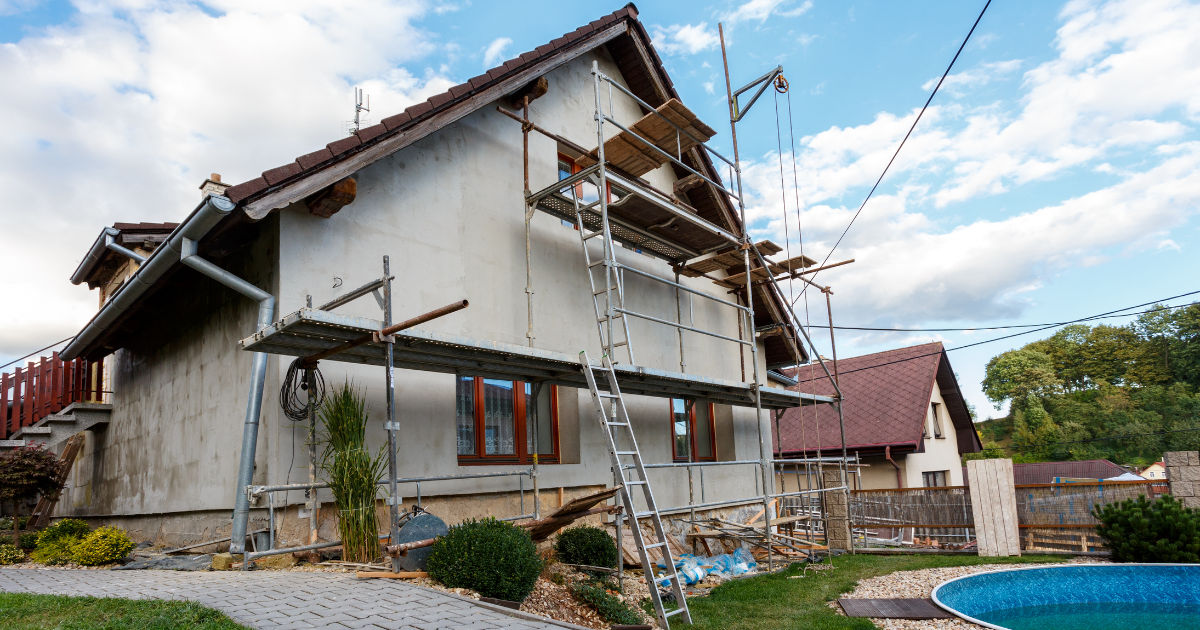
One of the most common issues after severe weather is the need for Drywall & ceiling repairs. Water intrusion, roof leaks, moisture buildup, and structural movement can all weaken drywall and ceiling materials over time.
Many homeowners believe storm damage only affects the roof or exterior siding. However, interior damage is just as important. Ceilings are often the first place where signs of trouble appear.
Water stains, sagging drywall, bubbling paint, cracks, and mold growth usually indicate that repairs are necessary. Ignoring these warning signs can lead to more expensive problems later.
Understanding what causes these issues helps homeowners act quickly and protect their property. This guide explains the main reasons storms create ceiling damage, how to identify the warning signs, and why professional Drywall & ceiling repairs are often necessary after severe weather.
Why Storms Commonly Damage Drywall Ceilings
Storms place enormous stress on homes. Heavy rainfall, high winds, and rapid temperature changes can weaken roofing systems and allow moisture to enter the home. Once water enters, ceilings often absorb the damage first.
Drywall is highly vulnerable to moisture. It absorbs water quickly, causing swelling, soft spots, stains, and deterioration. Ceiling drywall is especially sensitive because gravity adds additional stress when the material becomes wet.
The need for Drywall & ceiling repairs often develops within hours or days after a storm. In some cases, hidden moisture remains trapped above ceilings for weeks before visible signs appear.
Roof Leaks After Heavy Rain
One of the leading causes of storm-related ceiling damage is roof leakage. During severe weather, roofing materials may crack, shift, or break. Missing shingles, damaged flashing, or punctures allow rainwater to enter the attic and ceiling space.
Once water seeps into the home, ceiling drywall absorbs moisture rapidly. This often creates:
- Brown water stains
- Soft drywall
- Bubbling paint
- Ceiling sagging
- Peeling texture
Even a small roof leak can eventually require major Drywall & ceiling repairs if the moisture spreads across large sections of drywall.
How Roof Damage Happens During Storms
Storms create several conditions that weaken roofs:
- High winds lift shingles
- Falling tree branches puncture roofing
- Hail cracks roofing materials
- Clogged gutters trap water
- Flashing becomes loose around vents and chimneys
Water entering through these damaged areas slowly travels downward until it reaches the ceiling.
Hidden Roof Leaks
Some leaks remain hidden inside the attic for long periods. Homeowners may not notice the problem until stains appear indoors. By that point, insulation and drywall may already be severely damaged.
This is why immediate inspections after storms are essential. Fast action can reduce the extent of Drywall & ceiling repairs needed later.
Water Intrusion From Flooding
Flooding is another major reason homeowners need ceiling and drywall restoration after storms. Floodwaters can increase indoor humidity dramatically, creating moisture problems throughout the house.
Even when floodwater never directly touches the ceiling, excess humidity can affect drywall materials. Moisture travels upward through the structure and weakens ceiling surfaces.
Moisture Saturation
Drywall acts like a sponge. It absorbs moisture from humid air and nearby wet materials. Prolonged exposure often causes:
- Warped drywall panels
- Cracking joints
- Mold growth
- Weak ceiling texture
- Paint separation
Professional Drywall & ceiling repairs become necessary when moisture permanently changes the drywall structure.
Wind Damage and Structural Shifting
Strong winds during storms can cause homes to shift slightly. Although these movements may seem minor, they can stress drywall joints and ceiling fasteners.
This often results in:
- Hairline cracks
- Joint separation
- Nail pops
- Ceiling corner cracks
Wind damage does not always involve water. Sometimes structural movement alone creates the need for Drywall & ceiling repairs.
Why Ceiling Cracks Appear
Ceilings naturally expand and contract over time. Storm pressure increases this movement dramatically. When framing shifts suddenly, drywall seams become weak and begin to crack.
Cracks commonly appear:
- Near ceiling corners
- Around light fixtures
- Along drywall seams
- Around attic access points
Small cracks may worsen if ignored.
Hail Damage Leading to Ceiling Problems
Hailstorms can seriously damage roofing systems. Large hailstones often crack shingles, dent flashing, and weaken roof seals. These openings allow water to enter during future rainfall.
Homeowners may not immediately connect hail damage with interior ceiling problems. However, damaged roofing eventually leads to water infiltration and the need for Drywall & ceiling repairs.
Delayed Ceiling Damage
Sometimes hail damage takes weeks or months to show interior symptoms. Water slowly enters through damaged roofing and gradually weakens the ceiling drywall.
This delayed damage often surprises homeowners because the original storm may seem long past.
Ice Dams and Winter Storm Damage
Winter storms create unique ceiling repair problems. Ice dams form when melting snow refreezes along roof edges. This trapped water backs up beneath shingles and enters the home.
Water intrusion from ice dams commonly damages ceilings near exterior walls.
Signs of Ice Dam Damage
Typical symptoms include:
- Water stains near roof edges
- Ceiling peeling paint
- Wet insulation
- Sagging drywall
- Moldy odors
Homes in colder climates frequently require Drywall & ceiling repairs after severe winter storms.
Poor Attic Ventilation After Storms
Storms often expose ventilation weaknesses inside attics. Moisture trapped in poorly ventilated attic spaces eventually damages ceiling drywall below.
Without proper airflow, humidity levels rise quickly after storms. Condensation forms on wooden framing and insulation, then transfers moisture into drywall.
Condensation Problems
Condensation may cause:
- Ceiling discoloration
- Soft drywall
- Mold spots
- Peeling texture
- Joint tape separation
Proper ventilation helps reduce the likelihood of future Drywall & ceiling repairs.
Clogged Gutters and Overflow Issues
Gutters play an important role in protecting ceilings from water damage. During storms, leaves and debris often block drainage systems.
When gutters overflow, water runs beneath roofing materials and into walls or ceilings.
Overflow Damage
Water overflow can damage:
- Ceiling corners
- Exterior wall drywall
- Fascia boards
- Soffits
- Insulation
Routine gutter cleaning helps prevent costly Drywall & ceiling repairs after heavy rainstorms.
Tree Damage During Storms
Falling branches and trees frequently damage roofs during severe weather. Even small impacts can crack roofing materials enough to allow water intrusion.
Large branches may also create direct structural damage to ceilings.
Immediate Interior Damage
When trees penetrate the roof, homeowners often experience:
- Collapsed ceiling sections
- Wet drywall
- Insulation exposure
- Dangerous electrical hazards
- Structural instability
Emergency Drywall & ceiling repairs are usually required after major storm impacts.
Mold Growth After Water Damage
Mold is one of the most serious consequences of ceiling moisture problems. After storms, wet drywall creates ideal conditions for mold growth.
Mold can begin developing within 24 to 48 hours when moisture remains trapped.
Why Mold Forms on Ceilings
Ceiling drywall contains paper materials that feed mold spores. Warm, humid conditions accelerate growth rapidly.
Signs of mold include:
- Black spots
- Green discoloration
- Musty odors
- Allergic reactions
- Peeling paint
Professional Drywall & ceiling repairs often include mold remediation when water damage remains untreated for too long.
Ceiling Sagging After Storms
Sagging ceilings are among the most dangerous forms of drywall damage. Wet drywall becomes extremely heavy and may begin pulling away from ceiling framing.
This issue often develops after prolonged leaks or severe storms.
Warning Signs of Sagging
Homeowners should watch for:
- Bowed ceiling areas
- Visible dips
- Cracking sounds
- Bulging drywall
- Separation near seams
Immediate Drywall & ceiling repairs are necessary because sagging ceilings can collapse unexpectedly.
Electrical Problems Caused by Water Damage
Storm-related ceiling leaks sometimes affect electrical systems hidden behind drywall. Water exposure near wiring creates serious fire and shock hazards.
Common Electrical Warning Signs
Signs include:
- Flickering lights
- Buzzing sounds
- Water around fixtures
- Tripped breakers
- Burn smells
In these situations, Drywall & ceiling repairs should only begin after electricians confirm the area is safe.
Damaged Insulation and Ceiling Moisture
Wet insulation is another major contributor to ceiling problems after storms. Once insulation absorbs water, it holds moisture against drywall for long periods.
This continuous exposure weakens ceiling materials.
Why Wet Insulation Matters
Damaged insulation may cause:
- Persistent ceiling stains
- Increased mold risk
- Reduced energy efficiency
- Ongoing moisture problems
Proper Drywall & ceiling repairs usually include insulation replacement when necessary.
How Long-Term Moisture Weakens Drywall
Even small amounts of moisture can slowly destroy drywall over time. Storm damage sometimes appears minor initially but worsens as hidden water spreads.
Stages of Drywall Deterioration
Drywall damage usually progresses through several stages:
- Staining
- Paint bubbling
- Softening
- Swelling
- Cracking
- Sagging
- Collapse
Early Drywall & ceiling repairs help prevent advanced structural deterioration.
Common Signs That Repairs Are Needed
Homeowners should inspect ceilings carefully after storms. Some warning signs appear immediately, while others develop slowly.
Visible Signs
Common symptoms include:
- Brown stains
- Cracks
- Soft spots
- Bubbling paint
- Peeling texture
- Mold growth
- Ceiling sagging
These problems usually indicate the need for professional Drywall & ceiling repairs.
Why DIY Repairs Often Fail
Many homeowners attempt to patch ceiling damage themselves. Unfortunately, cosmetic fixes rarely solve underlying moisture issues.
Painting over stains or patching cracks without addressing water intrusion often leads to recurring damage.
Hidden Problems Behind Drywall
Storm damage may involve:
- Wet insulation
- Mold growth
- Structural weakening
- Electrical hazards
- Rotting wood framing
Professional inspections help identify the true cause before beginning Drywall & ceiling repairs.
The Importance of Fast Repairs
Waiting too long after storm damage increases repair costs significantly. Moisture spreads quickly through drywall and surrounding materials.
Risks of Delayed Action
Delaying repairs can lead to:
- Mold infestation
- Ceiling collapse
- Structural decay
- Higher restoration costs
- Indoor air quality problems
Quick Drywall & ceiling repairs help reduce long-term damage and protect property value.
Insurance and Storm Damage Claims
Homeowners insurance may cover storm-related drywall and ceiling damage depending on the policy and cause of loss.
Documentation Tips
After storms, homeowners should:
- Take clear photos
- Save damaged materials
- Record leak locations
- Schedule inspections quickly
- Keep repair receipts
Detailed records help support claims involving Drywall & ceiling repairs.
Preventing Future Ceiling Damage
Although storms cannot be prevented, homeowners can reduce the risk of serious interior damage through regular maintenance.
Preventive Measures
Helpful prevention steps include:
- Inspect roofs regularly
- Clean gutters often
- Trim nearby trees
- Improve attic ventilation
- Replace damaged shingles quickly
- Seal flashing properly
Routine maintenance reduces the likelihood of future Drywall & ceiling repairs.
Professional Repair Process
Professional restoration companies follow several steps when repairing storm-damaged ceilings.
Inspection and Moisture Detection
Experts first identify:
- Leak sources
- Hidden moisture
- Structural issues
- Mold contamination
Moisture meters and thermal imaging tools help locate concealed water damage.
Removal of Damaged Materials
Wet drywall and insulation are removed to prevent mold growth and further deterioration.
Drying and Dehumidification
Industrial drying equipment removes trapped moisture from framing and surrounding materials.
Drywall Replacement
New drywall panels are installed, taped, textured, and painted to restore the ceiling appearance.
Professional Drywall & ceiling repairs ensure the damaged area becomes safe, stable, and visually appealing again.
How Storm Severity Affects Repair Costs
Repair costs vary depending on storm intensity and damage extent.
Factors That Influence Pricing
Costs often depend on:
- Size of damaged area
- Mold contamination
- Structural repairs
- Roof damage severity
- Ceiling texture matching
- Electrical involvement
Minor repairs may be affordable, while major storm restoration projects can become expensive.
Ceiling Texture Problems After Storms
Storm damage often ruins decorative ceiling textures. Water causes texture materials to loosen, peel, or crack.
Matching Existing Texture
Repair professionals must carefully blend new texture with surrounding areas. Common ceiling textures include:
- Popcorn texture
- Knockdown texture
- Orange peel
- Smooth finish
Texture restoration is a critical part of complete Drywall & ceiling repairs.
Health Risks From Storm-Damaged Ceilings
Damaged ceilings can affect indoor health conditions. Mold spores and damp materials reduce air quality significantly.
Common Health Symptoms
People exposed to moldy ceilings may experience:
- Allergies
- Coughing
- Eye irritation
- Headaches
- Breathing difficulties
Fast Drywall & ceiling repairs help maintain a safer indoor environment.
Why Older Homes Face Higher Risks
Older homes often experience greater storm-related ceiling damage because materials weaken with age.
Common Vulnerabilities
Older properties may have:
- Aging roofs
- Weak drywall seams
- Poor insulation
- Outdated ventilation
- Structural settling
These factors increase the likelihood of requiring major Drywall & ceiling repairs after severe weather.
Seasonal Storm Patterns and Ceiling Damage
Different seasons create different ceiling repair challenges.
Spring Storms
Spring storms commonly produce:
- Heavy rainfall
- Roof leaks
- Flooding
- Wind damage
Summer Storms
Summer weather often causes:
- Hurricane damage
- High humidity
- Lightning-related roof problems
Winter Storms
Cold weather leads to:
- Ice dams
- Snow load stress
- Freeze-thaw roof damage
Each season brings unique risks that may eventually require Drywall & ceiling repairs.
Choosing the Right Repair Contractor
Hiring experienced professionals is important after storm damage.
What to Look For
Homeowners should choose contractors who:
- Have storm restoration experience
- Provide detailed inspections
- Offer written estimates
- Carry insurance
- Understand moisture control
Quality workmanship improves the long-term success of Drywall & ceiling repairs.
Conclusion
Storms can create serious interior damage that extends far beyond the roof. Water intrusion, wind pressure, hail impact, flooding, and humidity all contribute to ceiling deterioration. Drywall absorbs moisture quickly, making ceilings especially vulnerable after severe weather events.
Homeowners should never ignore warning signs such as stains, sagging, cracks, bubbling paint, or mold growth. These symptoms often indicate hidden moisture problems that worsen over time. Fast inspections and timely restoration help prevent expensive structural damage and indoor health risks.
Professional Drywall & ceiling repairs are essential when storm damage affects drywall integrity, insulation, or ceiling structure. Skilled restoration teams can identify hidden issues, remove damaged materials, dry affected areas, and restore ceilings safely and effectively.
Routine roof maintenance, proper ventilation, clean gutters, and early leak detection all help reduce future storm damage risks. By understanding what causes ceiling problems after storms, homeowners can protect their property, improve indoor safety, and minimize repair expenses over the long term.