
In today’s fast-paced digital world, businesses and individuals constantly look for ways to communicate efficiently. One of the most powerful solutions is a whatsapp automation tool.
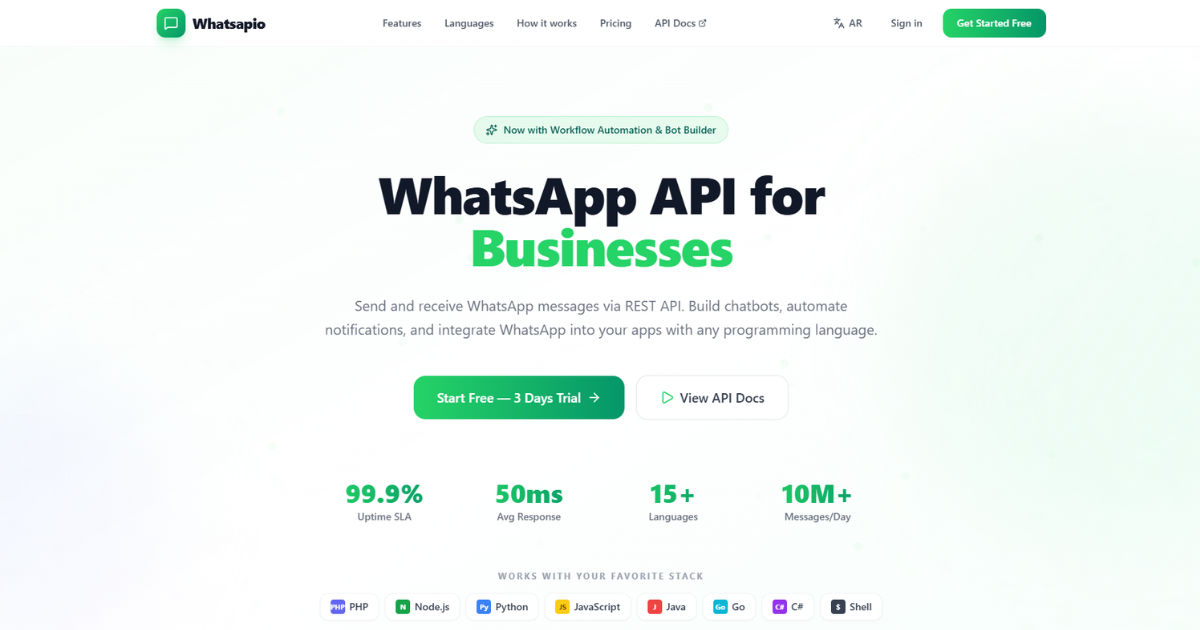 This tool allows users to automate messaging processes, reducing manual effort and improving response times. Understanding how workflow works in a whatsapp automation tool is essential for anyone looking to streamline communication. In this guide, we will break down workflows, their components, and how to use them effectively.
What is a WhatsApp Automation Tool?
A whatsapp automation tool is software that allows users to send messages, respond to inquiries, and manage communication on WhatsApp without manual intervention. These tools are widely used by businesses for customer support, marketing campaigns, notifications, and lead generation. The key advantage is that it saves time while ensuring that messages are consistent and timely.
Automation tools can perform tasks such as:
- Sending bulk messages to multiple contacts
- Scheduling messages for future dates
- Responding to customer queries automatically
- Tracking message delivery and read status
- Integrating with other apps for seamless communication
By automating repetitive tasks, a whatsapp automation tool allows businesses and individuals to focus on more strategic activities.
Understanding Workflow in WhatsApp Automation Tool
Workflow is the backbone of any whatsapp automation tool. It defines how tasks are executed, in what order, and under which conditions. A workflow is essentially a set of rules that guide automated actions. When a specific trigger occurs, the tool executes pre-defined steps in sequence.
Think of a workflow as a roadmap for automated communication. Each step in the workflow ensures that the right message reaches the right person at the right time.
Components of a Workflow
A typical workflow in a whatsapp automation tool consists of three main components:
- Trigger
The trigger is the event that starts the workflow. This could be a new customer inquiry, a form submission, a specific keyword in a message, or a time-based event. Triggers are essential because they determine when the automated process should begin. - Actions
Actions are the tasks performed after the trigger is activated. These can include sending a message, updating a contact list, tagging a customer, or initiating another workflow. Actions define what the automation actually does. - Conditions
Conditions help control the flow of the workflow. They allow the tool to make decisions based on specific criteria. For example, a condition can check if a message contains a certain word or if a customer belongs to a particular group. This ensures that the automation is smart and relevant.
How to Create a Workflow in a WhatsApp Automation Tool
Creating a workflow in a whatsapp automation tool involves several steps. While the exact interface may differ depending on the software, the basic principles remain the same.
Step 1: Define Your Goal
Before creating a workflow, it’s important to clearly define your goal. Are you sending welcome messages to new customers? Or are you running a marketing campaign? Understanding your goal will guide the design of your workflow.
Step 2: Choose a Trigger
Select a trigger that aligns with your goal. Common triggers include:
- Incoming messages containing specific keywords
- New contact added to your list
- Scheduled time for message delivery
- Customer interactions such as clicking a link
Step 3: Add Actions
Next, define the actions that should follow the trigger. For example:
- Send a personalized greeting message
- Share a product link
- Add the customer to a mailing list
- Notify a team member
Each action should contribute directly to achieving your goal.
Step 4: Apply Conditions
Conditions allow your workflow to respond differently based on the situation. For instance, if a customer replies with “Yes,” the workflow may send a follow-up message. If they reply with “No,” it might end the workflow or send an alternative message.
Step 5: Test the Workflow
Testing is critical. A workflow that is not tested may result in errors, such as sending messages to the wrong people or repeating actions unnecessarily. Most whatsapp automation tools offer a testing feature to simulate triggers and actions.
Step 6: Activate and Monitor
Once tested, activate the workflow. Monitor its performance to ensure it achieves the desired outcome. Analytics and reports help track message delivery, response rates, and workflow efficiency.
Types of Workflows in WhatsApp Automation Tool
Workflows can vary depending on their purpose. Here are some common types:
1. Welcome Workflow
A welcome workflow sends an automated message to new contacts. This message can introduce your brand, provide contact information, or offer a discount.
2. Customer Support Workflow
Automated customer support workflows respond to frequently asked questions. For example, if a customer asks about operating hours, the workflow can instantly reply with the correct information.
3. Marketing Campaign Workflow
Marketing workflows help businesses run promotions. Messages can be scheduled or sent in bulk to segmented audiences. Conditions can ensure the right message reaches the right customer segment.
4. Reminder Workflow
Reminder workflows send alerts about appointments, payments, or subscription renewals. This improves engagement and reduces missed opportunities.
5. Lead Nurturing Workflow
Lead nurturing workflows guide potential customers through the sales funnel. Automated messages provide relevant information, increasing the likelihood of conversion.
Benefits of Using Workflow in WhatsApp Automation Tool
Using workflows in a whatsapp automation tool offers multiple benefits:
- Time-saving: Automation eliminates repetitive manual tasks.
- Consistency: Ensures messages are sent uniformly and professionally.
- Customer engagement: Prompt responses improve customer satisfaction.
- Error reduction: Automation minimizes human errors in messaging.
- Scalability: Handles large volumes of messages without extra effort.
Best Practices for Designing Effective Workflows
Creating an effective workflow requires planning and strategic thinking. Here are some best practices:
Keep Workflows Simple
Complex workflows may cause confusion and errors. Start with simple sequences and gradually add complexity as needed.
Personalize Messages
Even though automation is used, personalization is key. Address customers by name and tailor messages based on their behavior or preferences.
Test Thoroughly
Before activating workflows, test them under different scenarios. This ensures all triggers, actions, and conditions work as intended.
Monitor Performance
Regularly check workflow analytics. Look for patterns such as high engagement or drop-off points to improve effectiveness.
Respect Privacy
Ensure that your automation complies with privacy laws and WhatsApp’s policies. Avoid sending unsolicited messages, which may result in account suspension.
Integrating WhatsApp Automation Tool with Other Apps
Many whatsapp automation tools offer integration with other software such as CRMs, email platforms, and analytics tools. This allows workflows to be more intelligent and connected.
For example:
- Integrate with a CRM to update customer records automatically.
- Link with a scheduling app to send appointment reminders.
- Connect with an e-commerce platform to notify customers about order updates.
Integration enhances workflow efficiency and ensures all business processes work seamlessly together.
Common Challenges in Workflow Automation
Despite its benefits, workflow automation in WhatsApp can face challenges:
- Incorrect triggers: Misconfigured triggers may send messages at the wrong time.
- Over-automation: Sending too many messages can annoy recipients.
- Technical issues: Software glitches or connectivity problems can interrupt workflows.
- Compliance risks: Failure to follow WhatsApp guidelines may result in account restrictions.
Addressing these challenges requires careful planning, monitoring, and adherence to best practices.
Future of Workflow in WhatsApp Automation Tool
The future of workflows in whatsapp automation tool looks promising. With advancements in AI and machine learning, workflows are becoming smarter and more predictive. For instance:
- AI chatbots can understand customer queries and respond intelligently.
- Predictive analytics can suggest the best time to send messages.
- Advanced segmentation allows highly targeted communication.
These innovations will make automation more personalized, efficient, and impactful.
Conclusion
Understanding how workflow works in a whatsapp automation tool is crucial for anyone seeking to optimize communication. Workflows allow users to automate tasks, respond promptly, and engage effectively with customers. By defining triggers, actions, and conditions, workflows create a seamless and efficient messaging experience.
The key to successful automation lies in simplicity, testing, personalization, and monitoring. With the right strategy, a whatsapp automation tool can save time, reduce errors, and enhance customer satisfaction. As technology evolves, workflows will continue to become smarter, offering even more opportunities for businesses and individuals to connect efficiently.
Automation is not just about sending messages—it’s about creating meaningful, timely interactions that strengthen relationships and drive results. By mastering workflow in a whatsapp automation tool, anyone can transform the way they communicate, making it faster, easier, and more effective.