
Hangover IV therapy has gained popularity in recent years as a quick solution for alleviating the symptoms of a hangover. Many people wake up after a night of drinking with headaches, nausea, fatigue, and dehydration. Traditional remedies, such as drinking water, consuming coffee, or taking over-the-counter painkillers, often provide limited relief.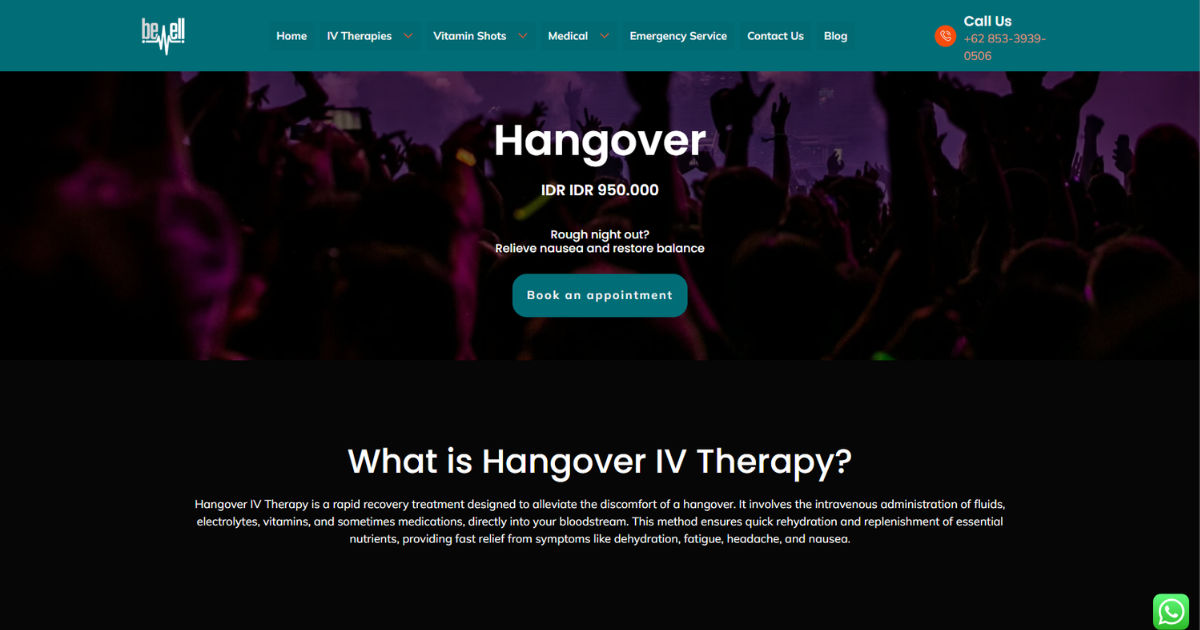
Hangover IV therapy promises to deliver rapid hydration and essential nutrients directly into the bloodstream, potentially helping headaches and other hangover symptoms faster than oral treatments.
The main idea behind hangover IV therapy is that it bypasses the digestive system. When you drink alcohol, your body loses essential fluids and electrolytes. Dehydration, combined with the effects of alcohol on your brain and liver, can cause severe headaches and overall discomfort.
By receiving fluids intravenously, patients can replenish these nutrients quickly, which is why hangover IV therapy is often marketed as a fast-acting remedy.
How Hangover IV Therapy Works
Hangover IV therapy involves the administration of fluids directly into your veins through an IV drip. These fluids often contain a combination of:
- Saline solution for hydration
- Vitamins such as B-complex and vitamin C
- Electrolytes like sodium, potassium, and magnesium
- Optional medications to reduce nausea or pain
By delivering these substances directly into the bloodstream, hangover IV therapy ensures rapid absorption. Unlike drinking water or sports drinks, which take time to process in your stomach, an IV infusion can start hydrating your body almost immediately. This rapid delivery can help reduce headaches, fatigue, and other hangover-related symptoms more effectively.
The therapy usually lasts between 30 minutes to an hour, depending on the clinic and the specific formula used. Many patients report feeling better within a short period, particularly when headaches are caused by dehydration and vitamin deficiencies.
Why Headaches Happen During Hangovers
Understanding why headaches occur during hangovers can help explain why IV therapy might be effective. Headaches are one of the most common symptoms of a hangover, and they usually result from several factors:
- Dehydration – Alcohol is a diuretic, meaning it increases urine production and causes fluid loss. Dehydration leads to reduced blood flow and oxygen to the brain, causing headaches.
- Electrolyte Imbalance – Along with fluid loss, drinking alcohol can disturb the balance of sodium, potassium, and magnesium in your body. This imbalance can trigger headaches and muscle cramps.
- Toxin Buildup – When alcohol is metabolized, it produces acetaldehyde, a toxic substance that can irritate blood vessels and nerves, causing pain.
- Inflammatory Response – Alcohol increases the production of inflammatory chemicals in the body, which can contribute to headache pain.
Hangover IV therapy targets these underlying causes by restoring hydration, replenishing electrolytes, and delivering nutrients that support the body’s recovery processes.
Components of Hangover IV Therapy
Hangover IV therapy isn’t just about water. Clinics often use a carefully designed mixture to maximize recovery. Some common components include:
- Saline Solution: This is the primary fluid that rehydrates the body. It also helps maintain blood pressure and supports overall organ function.
- B Vitamins: B-complex vitamins, especially B12 and B6, help support liver function and energy metabolism. They can help reduce fatigue and improve mental clarity.
- Vitamin C: Known for its antioxidant properties, vitamin C helps neutralize free radicals produced by alcohol metabolism.
- Electrolytes: Sodium, potassium, calcium, and magnesium are essential for nerve and muscle function. Correcting imbalances can reduce headaches and muscle aches.
- Anti-Nausea or Pain Medication: Some IV therapies include small doses of medications to ease nausea, vomiting, or headache pain directly.
By combining these elements, hangover IV therapy can target multiple hangover symptoms simultaneously, making it a potentially faster and more effective remedy for headaches than traditional oral treatments.
Benefits of Hangover IV Therapy for Headaches
People often choose hangover IV therapy because of its potential benefits, particularly for relieving headaches:
- Rapid Hydration – Dehydration is a key cause of hangover headaches. IV therapy replenishes fluids quickly, which may help reduce pain in a short time.
- Direct Nutrient Delivery – Essential vitamins and electrolytes reach the bloodstream immediately, bypassing the digestive system. This can help restore energy and cognitive function.
- Reduced Nausea – Some IV treatments include medications that help control nausea, which often accompanies hangover headaches.
- Convenience – Many people find that an IV infusion is faster and more effective than drinking multiple fluids and taking pills over several hours.
- Customizable Formulas – Clinics can adjust the IV blend based on specific symptoms, providing a more targeted approach to headache relief.
These benefits make hangover IV therapy appealing, especially for those who need to recover quickly, such as before work or important events.
Effectiveness of Hangover IV Therapy
While many patients report feeling relief after hangover IV therapy, it’s important to examine the science. Research on IV therapy for hangovers is still limited, but the available evidence suggests:
- Hydration Helps Headaches: Dehydration is a major contributor to hangover headaches. Rehydrating quickly via IV can reduce headache severity.
- Electrolyte Replenishment: Correcting electrolyte imbalances supports nerve function and may reduce headache pain.
- Vitamin Delivery: Vitamins like B-complex and C can support liver detoxification and energy metabolism, which might improve overall recovery.
However, hangover IV therapy does not remove alcohol toxins from your body faster than your liver naturally can. This means that while it can help with headaches and fatigue, it’s not a complete cure for all hangover symptoms. Recovery still depends on time and the body’s natural processes.
Who Can Benefit from Hangover IV Therapy
Hangover IV therapy may not be necessary for everyone. It’s most beneficial for:
- People experiencing severe headaches and dehydration after heavy drinking
- Individuals who need rapid recovery for work or events
- Those who have tried traditional remedies with limited success
People with certain medical conditions, such as kidney disease, heart issues, or electrolyte imbalances, should consult a doctor before receiving IV therapy. Additionally, it’s important to use licensed clinics with trained professionals to ensure safety and proper dosing.
Risks and Considerations
Although hangover IV therapy is generally considered safe, there are some risks and considerations to keep in mind:
- Infection – Any IV procedure carries a small risk of infection if the insertion site isn’t properly sanitized.
- Overhydration – Receiving too much fluid can strain the heart and kidneys, especially in people with pre-existing conditions.
- Allergic Reactions – Rarely, patients may react to vitamins or medications included in the IV formula.
- Cost – Hangover IV therapy can be expensive, and most insurance plans do not cover it.
- Temporary Relief – IV therapy addresses symptoms like headaches and fatigue but does not accelerate alcohol metabolism. Full recovery still requires time.
By understanding these factors, individuals can make informed decisions about whether hangover IV therapy is right for them.
Alternatives to Hangover IV Therapy
While hangover IV therapy can be effective, some people prefer traditional methods. These include:
- Oral Hydration – Drinking water, electrolyte drinks, or coconut water can help restore fluids.
- Pain Relievers – Over-the-counter medications like ibuprofen can reduce headache pain.
- Rest and Sleep – Sleep allows the body to process alcohol and repair damage.
- Healthy Foods – Eating foods rich in vitamins and minerals can replenish nutrients lost during drinking.
Although these methods may take longer than IV therapy, they are often more accessible and cost-effective.
How to Prepare for Hangover IV Therapy
If you decide to try hangover IV therapy, preparation can help maximize effectiveness:
- Hydrate Beforehand – Drinking water before your IV session can make the process smoother.
- Know Your Symptoms – Be clear about which symptoms are most severe to ensure the IV blend targets them effectively.
- Eat Lightly – A small meal can prevent nausea during the infusion.
- Check Credentials – Make sure the clinic and staff are licensed and experienced in IV therapy.
Following these steps can improve comfort and outcomes during the therapy session.
Real-Life Experiences
Many people report significant relief from headaches after receiving hangover IV therapy. Testimonials often mention:
- Feeling more alert within 30–60 minutes
- Reduction in headache intensity
- Improved mood and energy
- Less nausea and dizziness
It’s important to remember that individual experiences vary. Factors like the amount of alcohol consumed, individual metabolism, and overall health influence how quickly symptoms improve.
Scientific Perspective
While anecdotal evidence is strong, scientific studies are limited. Most research focuses on hydration, vitamins, and electrolytes, rather than IV therapy specifically. Scientists agree that:
- Rehydration and electrolyte replacement help with dehydration-related headaches
- Vitamins may support liver function and energy metabolism
- IV therapy provides faster delivery than oral intake
More research is needed to fully validate hangover IV therapy as a standardized treatment. However, current evidence suggests it can be a helpful option for those struggling with severe hangover headaches.
Cost and Accessibility
Hangover IV therapy is offered at clinics, spas, and mobile services. Costs vary depending on location, ingredients, and session length. On average, a session can range from $100 to $300 or more. Accessibility also depends on regional regulations and the availability of licensed practitioners.
While it is not a substitute for responsible drinking, it can be a convenient option for occasional severe hangovers, especially for busy professionals or travelers.
Conclusion
Hangover IV therapy can be an effective method for relieving headaches and other hangover symptoms quickly. By providing rapid hydration, replenishing electrolytes, and delivering essential vitamins directly into the bloodstream, it targets the key factors that contribute to hangover discomfort. Many people experience noticeable relief within an hour, especially when dehydration and nutrient deficiencies are major contributors to their headache.
However, it’s important to recognize that hangover IV therapy is not a cure-all. It does not speed up alcohol metabolism or prevent hangovers entirely. Safe use requires consulting licensed clinics and considering potential risks like infection, allergic reactions, and overhydration. Traditional remedies like hydration, rest, and nutrient-rich foods can still play a role in recovery.
Ultimately, hangover IV therapy offers a fast, convenient solution for those suffering from intense headaches and fatigue after drinking, making it a valuable option for people who need rapid relief. As awareness and research continue to grow, this therapy may become a standard choice for those seeking effective hangover care.