
When an old, damaged, or unwanted vehicle reaches the end of its useful life, many people wonder what happens to it next. Instead of leaving it unused or sending it to landfill, professional recyclers provide an environmentally responsible solution.
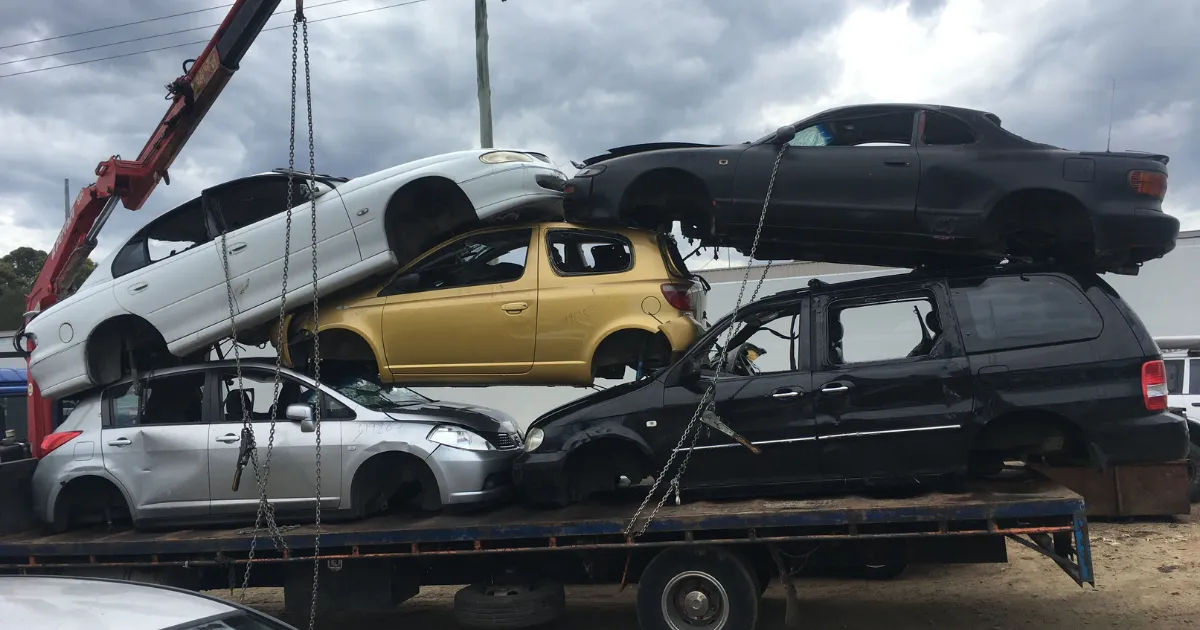
geelong wreckers play an important role in collecting, dismantling, and recycling vehicles while recovering valuable materials and reducing waste. Through advanced recycling methods, auto wreckers help protect the environment and support the reuse of automotive parts.
Car recycling is a detailed process that involves inspection, removal of hazardous materials, dismantling, sorting, and processing different vehicle components. Every stage is carefully managed to ensure maximum recovery of useful materials. From metal and glass to engines and electronic components, almost every part of a vehicle can have a second life.
The Role of Auto Wreckers in Car Recycling
Auto wreckers are businesses that specialise in dismantling unwanted vehicles and recovering usable components. Their main goal is not simply to remove old cars but to recycle as many parts as possible. This reduces the need for new raw materials and lowers the environmental impact associated with vehicle production.
Modern vehicles contain hundreds of individual parts made from different materials. Steel, aluminium, copper, rubber, plastic, glass, and electronic components can all be separated and processed for reuse. Professional recyclers use specialised equipment and trained workers to handle this process safely.
geelong wreckers provide an efficient way for vehicle owners to dispose of damaged or unwanted cars while ensuring that valuable resources are recovered instead of wasted.
The Car Recycling Process Explained
Vehicle recycling involves several important steps. Each stage ensures that recyclable materials are properly handled and that harmful substances do not damage the environment.
Vehicle Collection and Transportation
The first step in the recycling process is collecting the unwanted vehicle. Many auto wreckers offer vehicle removal services, making it easier for owners to dispose of cars that are no longer roadworthy.
Vehicles may be collected from homes, repair shops, accident locations, or storage areas. Special towing equipment is used to safely transport vehicles to recycling facilities.
Once the car arrives at the recycling yard, it is recorded and inspected before dismantling begins.
Vehicle Inspection and Assessment
Before a vehicle is taken apart, professionals conduct a detailed inspection. They identify which parts can be reused, repaired, or recycled.
The assessment usually includes checking:
- Engine condition
- Transmission system
- Electrical components
- Body panels
- Interior parts
- Wheels and tyres
- Safety equipment
Some damaged vehicles still contain valuable parts that can be sold as replacement components. Reusing these parts helps customers access affordable automotive solutions while reducing demand for newly manufactured parts.
Removing Hazardous Materials
One of the most important stages of car recycling is removing dangerous fluids and materials. Vehicles contain substances that can harm the environment if they are not handled correctly.
Auto recyclers carefully remove:
- Engine oil
- Brake fluid
- Coolant
- Transmission fluid
- Fuel
- Battery chemicals
- Air conditioning refrigerants
These materials are stored and disposed of according to environmental regulations. Proper removal prevents soil and water contamination.
Car batteries are also removed because they contain valuable materials such as lead and chemicals that require special recycling methods.
Dismantling Vehicles for Reuse
After hazardous materials are removed, the vehicle moves to the dismantling stage. Skilled workers carefully remove usable components from the car.
Many parts can be reused, including:
- Engines
- Gearboxes
- Alternators
- Starters
- Mirrors
- Doors
- Bumpers
- Headlights
- Seats
- Suspension components
Reusable parts are cleaned, tested, and stored for future customers. This creates a sustainable alternative to buying brand-new replacement parts.
The reuse of vehicle components reduces manufacturing waste and helps car owners find affordable repairs.
Recycling Metal Components
Metal recycling is one of the biggest parts of the vehicle recycling process. Cars contain large amounts of valuable metals, especially steel and aluminium.
After reusable parts are removed, the remaining vehicle shell is processed. Large machines crush and separate metal materials for recycling.
Steel from recycled vehicles can be used to manufacture new products, including construction materials, machinery, and new vehicles.
Recycling metal requires less energy compared to producing new metal from raw materials. This helps reduce greenhouse gas emissions and conserve natural resources.
Processing Glass, Plastic, and Rubber
A vehicle contains many non-metal materials that can also be recycled.
Glass Recycling
Car windows and windscreens are separated and processed for reuse. Recycled automotive glass can be transformed into new glass products or construction materials.
Plastic Recycling
Modern vehicles contain many plastic components, including dashboards, bumpers, and interior panels. These plastics can be sorted and processed into new plastic products.
Tyre Recycling
Old tyres are collected and recycled instead of being left in waste facilities. Recycled rubber can be used for products such as playground surfaces, road materials, and rubber-based items.
Through these recycling methods, auto wreckers reduce the amount of automotive waste entering landfills.
How Auto Wreckers Support Environmental Protection
Vehicle recycling provides several environmental benefits. The automotive industry requires significant resources to manufacture new vehicles, but recycling reduces the need for additional raw materials.
Some major environmental advantages include:
Reducing Landfill Waste
Abandoned vehicles take up valuable space and can release harmful substances over time. Recycling ensures that most vehicle components are reused or processed instead of becoming waste.
Conserving Natural Resources
Recycling metals reduces the need for mining activities. This helps conserve resources such as iron ore, aluminium, and other minerals.
Lowering Energy Consumption
Producing materials from recycled resources often requires less energy compared to creating materials from new resources.
Preventing Pollution
Proper disposal of automotive fluids, batteries, and chemicals prevents contamination of the environment.
The Importance of Choosing Professional Car Recyclers
Not all vehicle disposal methods are environmentally responsible. Choosing a professional recycler ensures that cars are handled safely and efficiently.
Experienced recyclers follow proper procedures for:
- Vehicle dismantling
- Hazardous waste management
- Material separation
- Parts storage
- Metal processing
Professional services also provide vehicle owners with a convenient way to remove unwanted cars while contributing to environmental sustainability.
Benefits for Vehicle Owners
Recycling an old vehicle provides several advantages for owners.
Easy Vehicle Removal
Many recycling companies arrange vehicle pickup, saving owners the trouble of transporting damaged or unusable cars.
Financial Value
Even vehicles that no longer run may contain valuable parts and recyclable materials. Owners may receive payment based on the vehicle’s condition and market value.
More Affordable Repairs
Recycled parts provide affordable options for people repairing their vehicles. Used components can offer reliable performance at a lower cost compared to new parts.
Responsible Disposal
Selling an unwanted vehicle to a recycler ensures it is processed properly instead of being abandoned or illegally dumped.
How Technology Has Improved Car Recycling
Technology has made modern vehicle recycling more efficient and environmentally friendly. Advanced machinery allows recyclers to recover more materials from each vehicle.
Some technological improvements include:
- Automated metal sorting systems
- Improved crushing equipment
- Digital inventory systems for used parts
- Environmentally safe fluid recovery methods
These innovations help increase recycling rates and reduce waste.
The Future of Vehicle Recycling
As vehicle technology continues to change, car recycling methods must also evolve. Electric vehicles, hybrid cars, and advanced electronic systems are creating new challenges and opportunities for recyclers.
Future recycling facilities will need specialised techniques for handling:
- Lithium-ion batteries
- Electric motors
- Advanced electronic systems
- Lightweight materials
The growth of sustainable transportation will make vehicle recycling even more important in the coming years.
Why Car Recycling Matters for the Community
Vehicle recycling benefits not only individual car owners but also the wider community. Recycling businesses create employment opportunities and support local economies.
When old vehicles are recycled responsibly, communities experience:
- Cleaner surroundings
- Reduced waste
- Better resource management
- Increased availability of affordable vehicle parts
Local recycling efforts contribute to a more sustainable future.
Conclusion
Auto recycling is a detailed process that transforms unwanted vehicles into valuable resources. From vehicle collection and inspection to dismantling, material recovery, and environmental protection, every step plays an important role in reducing waste.
geelong wreckers help vehicle owners dispose of old cars responsibly while recovering reusable parts and recyclable materials. By removing hazardous fluids, recycling metals, processing plastics, and reusing vehicle components, auto recyclers create significant environmental benefits.
Choosing professional car recycling services ensures that vehicles do not become unnecessary waste. Instead, they become a source of valuable materials that can support future manufacturing and reduce pressure on natural resources.
As technology advances, vehicle recycling will continue to improve. With better equipment and sustainable practices, more parts of every vehicle can be recovered and reused. Responsible car recycling is an important step toward protecting the environment and creating a cleaner future.