
The Serbia Tourism Guide is essential for anyone who wants to understand the deep historical roots and cultural richness of the Balkans. The Serbia Tourism Guide helps travelers discover ancient fortresses, Roman ruins, medieval monasteries, and Ottoman-era landmarks that define the country’s identity.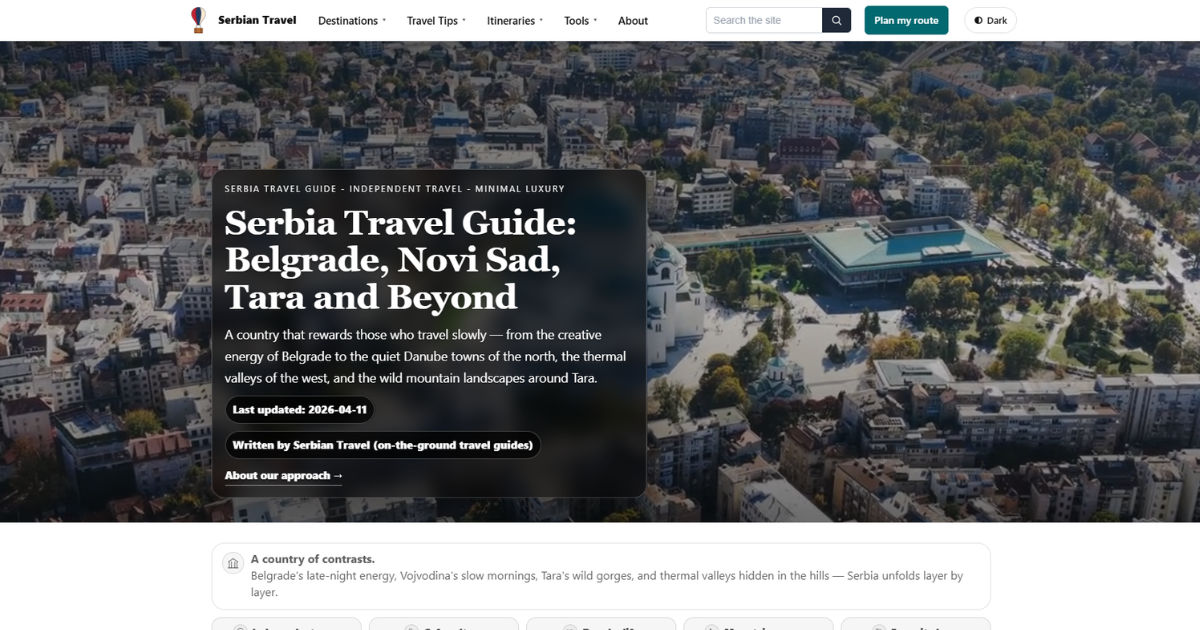
When following a Serbia Tourism Guide, visitors quickly realize that Serbia is not only a modern European destination but also a living museum of civilizations that shaped Southeast Europe.The Serbia Tourism Guide highlights how history is present in every corner of the country, from Belgrade’s lively streets to quiet mountain monasteries.
Many travelers rely on a Serbia Tourism Guide to plan their journeys efficiently, ensuring they do not miss the most significant heritage sites. Whether you are a student of history or a casual tourist, the Serbia Tourism Guide offers a structured path through centuries of cultural evolution.
One of the key strengths of the Serbia Tourism Guide is its ability to connect historical context with real-world travel experiences. Instead of simply listing destinations, the Serbia Tourism Guide explains why each place matters. This makes the journey more meaningful and educational. As you continue reading, the Serbia Tourism Guide will take you through Serbia’s most important historical sites in detail, helping you understand their significance and charm.
Overview of Serbia’s Historical Landscape
The Serbia Tourism Guide begins with an overview of the country’s diverse historical timeline. Serbia has been influenced by Roman, Byzantine, Ottoman, and Austro-Hungarian empires, and the Serbia Tourism Guide reflects this complexity. Every region offers something unique, and the Serbia Tourism Guide ensures that travelers understand how these influences shaped modern Serbian culture.
Belgrade, the capital, is often the starting point in the Serbia Tourism Guide, as it holds some of the oldest continuous settlements in Europe. The Serbia Tourism Guide also highlights smaller towns like Niš, Novi Sad, and Kruševac, each with its own historical importance.
The Serbia Tourism Guide emphasizes that history in Serbia is not confined to museums. Instead, it is integrated into daily life. Streets, churches, and fortresses included in the Serbia Tourism Guide are still active parts of communities. This living history makes Serbia a fascinating destination for travelers.
Another key insight from the Serbia Tourism Guide is the geographical diversity of historical sites. Mountains, rivers, and plains all host significant landmarks. The Serbia Tourism Guide encourages travelers to explore beyond cities and discover rural heritage sites.
Overall, the Serbia Tourism Guide presents Serbia as a layered historical destination where every location tells a story.
Kalemegdan Fortress and Belgrade’s Historical Core
The Serbia Tourism Guide places great importance on Kalemegdan Fortress, one of the most iconic landmarks in Belgrade. According to the Serbia Tourism Guide, this fortress has witnessed battles between Romans, Byzantines, Ottomans, and Austro-Hungarians. Its strategic position at the confluence of the River Sava and Danube makes it a key historical point.
Visitors using the Serbia Tourism Guide will learn that Kalemegdan is not just a fortress but also a large park and cultural complex. The Serbia Tourism Guide explains how walking through its walls feels like traveling through time, with layers of history visible in its architecture.
The Serbia Tourism Guide also highlights nearby attractions such as the Belgrade Zoo and military museums inside the fortress complex. These sites help visitors better understand Serbia’s military and cultural past.
In addition, the Serbia Tourism Guide emphasizes the importance of sunset views from Kalemegdan, which offer a scenic perspective of the city’s historical and modern blend. This makes it one of the most recommended stops in the Serbia Tourism Guide.
Medieval Monasteries of Serbia
A major focus of the Serbia Tourism Guide is the country’s medieval monasteries. These religious sites are among the most preserved cultural treasures in Europe. The Serbia Tourism Guide highlights monasteries such as Studenica, Žiča, and Sopoćani.
The Serbia Tourism Guide explains that these monasteries were built during the Nemanjić dynasty and played a key role in shaping Serbian Orthodox identity. Frescoes inside these monasteries are considered masterpieces of medieval art, and the Serbia Tourism Guide encourages travelers to observe their detail closely.
Many monasteries featured in the Serbia Tourism Guide are located in peaceful, remote landscapes. This adds to their spiritual atmosphere. The Serbia Tourism Guide suggests that visitors take time to appreciate both architecture and natural surroundings.
Another important point in the Serbia Tourism Guide is the UNESCO recognition of several monasteries, which highlights their global cultural significance. The Serbia Tourism Guide recommends guided visits to fully understand their historical background.
Through these monasteries, the Serbia Tourism Guide shows how religion, art, and politics were deeply connected in medieval Serbia.
Roman Heritage and Ancient Ruins
The Serbia Tourism Guide also explores Serbia’s Roman heritage, which is among the oldest in the region. One of the most famous sites in the Serbia Tourism Guide is Gamzigrad-Romuliana, a UNESCO World Heritage Site.
According to the Serbia Tourism Guide, this site was built by Emperor Galerius in the 3rd and 4th centuries. The ruins include imperial palaces, temples, and mosaics that reflect Roman architectural excellence.
The Serbia Tourism Guide also mentions the city of Niš, birthplace of Emperor Constantine the Great. Visitors following the Serbia Tourism Guide can explore Mediana archaeological site, which was once a luxurious Roman villa complex.
The Serbia Tourism Guide explains that Roman roads and fortifications are still visible in various parts of Serbia. These remnants connect modern travelers with ancient civilizations.
By exploring these sites, the Serbia Tourism Guide offers a deeper understanding of Serbia’s role in the Roman Empire.
Ottoman Influence and Cultural Transition
The Serbia Tourism Guide highlights the significant impact of the Ottoman Empire on Serbian history. For over four centuries, Ottoman rule shaped architecture, cuisine, and cultural traditions. The Serbia Tourism Guide identifies many landmarks that reflect this period.
One key site in the Serbia Tourism Guide is the Belgrade Fortress’s Ottoman remnants, including gates and fountains. The Serbia Tourism Guide also points out the old town areas where Ottoman-style buildings still exist.
In cities like Novi Pazar, the Serbia Tourism Guide shows a strong Ottoman cultural influence through mosques and bazaars. The Serbia Tourism Guide emphasizes that this region offers a unique blend of Islamic and Christian heritage.
Another important aspect in the Serbia Tourism Guide is the coexistence of cultures during this period. Despite conflicts, architectural and cultural exchanges shaped modern Serbia.
The Serbia Tourism Guide encourages visitors to explore Ottoman baths, bridges, and religious sites to understand this historical transformation.
UNESCO World Heritage Sites in Serbia
The Serbia Tourism Guide places special emphasis on UNESCO-listed landmarks. These sites are internationally recognized for their cultural and historical importance. The Serbia Tourism Guide includes Studenica Monastery, Gamzigrad-Romuliana, and Stari Ras and Sopoćani.
According to the Serbia Tourism Guide, these sites represent different historical periods, from medieval Christianity to ancient Roman civilization. The Serbia Tourism Guide explains that UNESCO recognition helps preserve these sites for future generations.
Travelers using the Serbia Tourism Guide are encouraged to visit these protected areas with respect and awareness. The Serbia Tourism Guide also highlights the importance of conservation efforts in maintaining authenticity.
Another insight from the Serbia Tourism Guide is that UNESCO sites are often located in scenic natural environments, making them ideal for cultural tourism combined with nature exploration.
The Serbia Tourism Guide presents these locations as essential stops for anyone interested in global heritage.
Castles and Fortresses of Vojvodina
The Serbia Tourism Guide also explores the northern region of Vojvodina, known for its castles and fortresses. This area reflects Austro-Hungarian influence, as described in the Serbia Tourism Guide.
One major highlight in the Serbia Tourism Guide is Petrovaradin Fortress in Novi Sad. Known as the “Gibraltar of the Danube,” it offers panoramic views and rich military history. The Serbia Tourism Guide explains its strategic importance during European conflicts.
The Serbia Tourism Guide also mentions other castles such as Fantast Castle and Kaštel Ečka. These buildings reflect aristocratic life and architectural elegance.
According to the Serbia Tourism Guide, Vojvodina’s historical sites are less crowded, allowing visitors a peaceful experience. The Serbia Tourism Guide encourages exploring both urban and rural heritage locations.
Overall, this region adds diversity to the Serbia Tourism Guide, showing Serbia’s multicultural history.
Travel Tips for Exploring Historical Sites
The Serbia Tourism Guide provides practical advice for travelers visiting historical sites. One key recommendation in the Serbia Tourism Guide is to plan visits according to seasons, as weather can affect accessibility.
The Serbia Tourism Guide suggests wearing comfortable shoes, especially when exploring fortresses and monasteries. Many sites included in the Serbia Tourism Guide require walking on uneven terrain.
Another tip from the Serbia Tourism Guide is to hire local guides. They provide deeper insights into historical context that is not always available in written materials.
The Serbia Tourism Guide also encourages respecting cultural and religious norms when visiting monasteries and sacred places.
Additionally, the Serbia Tourism Guide advises travelers to allocate enough time for each site rather than rushing through multiple destinations.
By following these tips, the Serbia Tourism Guide ensures a more meaningful and enjoyable travel experience.
Conclusion
The Serbia Tourism Guide demonstrates that Serbia is a country deeply rooted in history and culture. From ancient Roman ruins to medieval monasteries, the Serbia Tourism Guide offers a complete journey through time. Every destination in the Serbia Tourism Guide tells a unique story that contributes to the country’s identity.
The Serbia Tourism Guide helps travelers appreciate not just the beauty of these sites but also their historical significance. Whether exploring fortresses, churches, or archaeological ruins, the Serbia Tourism Guide ensures a deeper understanding of Serbia’s past.
By following the Serbia Tourism Guide, visitors can experience a well-rounded cultural journey that connects ancient civilizations with modern life. The Serbia Tourism Guide ultimately serves as both an educational resource and a travel companion.
In conclusion, the Serbia Tourism Guide is essential for anyone interested in exploring historical landmarks in Serbia. It transforms travel into a meaningful experience filled with learning and discovery. The Serbia Tourism Guide continues to be the best way to uncover the hidden treasures of this remarkable country.