
Slot games have become one of the most talked-about parts of online gaming culture. Many players believe certain machines are “hot,” lucky, or easier to win from.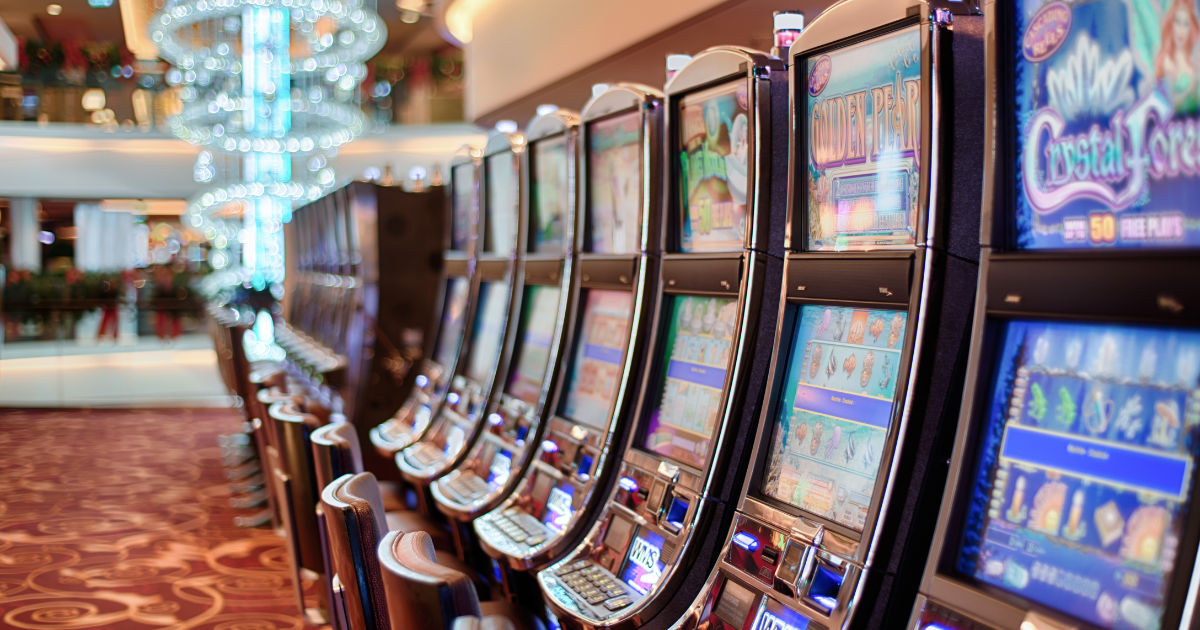 In online communities, the phrase “slot gacor” is often used to describe a slot machine that supposedly pays out more often or gives better results. The keyword koitoto appears frequently in discussions where players exchange stories, tips, and personal experiences related to these games.
But what really makes slot gacor feel real?
The answer is not as simple as luck alone. Human psychology plays a huge role in how people understand patterns, wins, and rewards. Many of the feelings players experience come from cognitive illusions, emotional excitement, and selective memory. These psychological effects can make random events appear meaningful.
This guide explains the illusions that make slot gacor seem believable. It also explores how the brain reacts to rewards, why players notice patterns, and how gaming environments strengthen these feelings. The discussion will help readers understand the psychological side of gaming culture in a clear and simple way.
The Meaning of Slot Gacor
The phrase “slot gacor” is popular in many gaming communities. It generally refers to a slot machine that appears to be paying out frequently or giving players more wins than usual. On forums connected with koitoto discussions, users often share stories about which slots are “gacor” at certain times.
Many players believe there are special moments when a machine becomes easier to win from. Some even think certain patterns, betting methods, or timing strategies can improve success.
However, modern slot machines operate using random number generators, often called RNG systems. These systems create unpredictable outcomes. Every spin is independent from the previous one.
Even though the outcomes are random, people naturally search for order and meaning. This is where psychological illusions begin to influence player perception.
The Human Brain Loves Patterns
One major illusion behind slot gacor beliefs is pattern recognition.
The human brain is designed to find patterns everywhere. This skill helped humans survive throughout history. Recognizing weather changes, animal movements, or dangerous situations was important for survival.
Today, the same mental habit affects how people view games.
When someone plays a slot game and experiences several wins close together, the brain starts connecting those events. Instead of seeing random outcomes, the player may believe the machine has entered a “winning mode.”
Communities discussing koitoto topics often reinforce this thinking by sharing stories of repeated success. Once players read similar experiences from others, the belief becomes stronger.
Why Random Events Feel Organized
Randomness often feels less random than people expect.
For example, if a slot machine gives three small wins in ten spins, players may assume something special is happening. But statistically, clusters of wins can naturally occur in random systems.
The brain prefers explanations over uncertainty. Because of this, players create stories around lucky moments.
This illusion can make slot gacor feel very convincing.
The Illusion of Control
Another important psychological factor is the illusion of control.
People like to feel they can influence outcomes. In games, players may believe their actions improve their chances of winning.
Some examples include:
- Pressing the spin button at a certain time
- Increasing bets after losses
- Changing machines frequently
- Following advice from koitoto gaming communities
- Playing only during specific hours
These behaviors create the feeling of strategy and control. Even though slot outcomes remain random, the player feels personally involved in shaping results.
Why Control Feels Comforting
Uncertainty creates stress. Humans naturally seek ways to reduce uncertainty.
The illusion of control helps players feel more confident. If someone believes they have discovered a winning pattern, the game becomes emotionally satisfying.
This feeling can be powerful enough to make random wins seem intentional.
Near Misses Create Strong Emotions
Slot games often produce “near misses.” This happens when symbols almost line up for a jackpot but fall just short.
For example:
- Two jackpot symbols appear, but the third misses
- A bonus symbol lands one space away
- A large reward almost activates
These near misses trigger emotional excitement.
The brain reacts to near wins similarly to actual wins. This encourages players to continue spinning because success feels close.
Communities connected to koitoto discussions often describe these moments as signs that a machine is “warming up” or becoming ready to pay.
Why Near Misses Feel Important
Near misses create hope.
Even though the player did not win, the brain interprets the event as progress toward success. This emotional reaction increases motivation.
The player may think:
- “I almost got it.”
- “The jackpot is close.”
- “One more spin could work.”
These thoughts strengthen the illusion that slot gacor is real.
Confirmation Bias Strengthens Belief
Confirmation bias is another major reason players believe in slot gacor.
Confirmation bias means people notice information that supports their beliefs while ignoring information that does not.
For example:
- A player remembers big wins clearly
- Losses are forgotten more easily
- Successful stories from koitoto communities receive more attention
- Failed strategies are rarely discussed
Because of this, players collect evidence that supports their expectations.
How Memory Changes Perception
Emotional events stay in memory longer.
A large win creates excitement, happiness, and adrenaline. The brain stores these moments strongly. Losses usually feel less memorable over time.
As a result, players may believe they win more often than they actually do.
This distorted memory strengthens the idea that certain slots are special or “gacor.”
Social Proof and Online Communities
Social influence also plays a huge role.
When many people repeat the same idea, it begins to feel trustworthy. Online gaming groups often share screenshots, stories, and recommendations about winning slots.
Communities linked with koitoto discussions can create a strong sense of shared belief.
Why Group Opinions Matter
Humans naturally trust social groups.
If hundreds of players say a slot is currently “hot,” newcomers may accept the idea without questioning it deeply.
This is called social proof.
People often assume:
- “So many players cannot be wrong.”
- “Others are winning, so it must be true.”
- “This machine is paying today.”
These group beliefs make slot gacor feel more realistic.
Reward Systems and Dopamine
The brain’s reward system strongly affects gambling behavior.
When people receive rewards, the brain releases dopamine. Dopamine creates feelings of pleasure and motivation.
Slot games are especially effective at triggering dopamine because rewards appear unpredictably.
Variable Rewards Create Excitement
Psychologists call this a variable reward schedule.
Players never know when the next reward will appear. This unpredictability keeps attention high.
Even small wins can create excitement because they interrupt uncertainty.
Many koitoto gaming discussions focus heavily on reward timing, lucky streaks, and moments when machines seem generous. These stories connect directly to dopamine-driven excitement.
Sound and Visual Effects Increase Immersion
Modern slot games use advanced design techniques to increase emotional engagement.
These include:
- Bright colors
- Flashing lights
- Celebratory sounds
- Animated effects
- Exciting music
These features make small rewards feel larger than they really are.
Why Sensory Design Matters
A small payout may actually be less than the player’s original bet, but the game still celebrates it with exciting sounds and visuals.
This creates the feeling of success.
The brain responds emotionally before logically analyzing the result.
Because of this, players often feel encouraged even during losing sessions.
The emotional atmosphere strengthens the illusion of slot gacor experiences discussed in koitoto communities.
The Gambler’s Fallacy
The gambler’s fallacy is another important illusion.
This happens when people believe past outcomes influence future results.
For example:
- “This slot has not paid recently, so a win is due.”
- “After many losses, a jackpot must come soon.”
- “The machine is ready to pay.”
In reality, random systems do not remember previous outcomes.
Why the Fallacy Feels Logical
Humans expect balance.
If several losses happen in a row, the brain feels a win should naturally follow. But random events do not work that way.
Still, this belief is emotionally convincing and commonly repeated in koitoto discussions.
Emotional Storytelling Makes Beliefs Stronger
Stories are powerful.
When players share emotional experiences, listeners remember them more easily than statistics or technical explanations.
For example:
- A player describes winning after changing bet size
- Someone claims a certain time of day improved luck
- A user explains how one machine suddenly became generous
These stories create emotional impact.
Why Stories Spread Fast
Emotional stories are easier to remember and share.
They also create hope.
When many people repeat similar experiences, the belief in slot gacor grows stronger even without scientific proof.
The keyword koitoto often appears in spaces where storytelling and shared gaming experiences shape player opinions.
Selective Attention During Gameplay
Players often focus more on exciting events than ordinary ones.
During long gaming sessions, the brain highlights:
- Big wins
- Bonus rounds
- Near misses
- Consecutive rewards
Meanwhile, routine losses receive less emotional attention.
How Attention Changes Reality
Because the brain focuses on exciting moments, players may feel the game was more rewarding than it actually was.
This selective attention creates a distorted sense of success.
Over time, the player builds a mental image of the slot as profitable or lucky.
Why Timing Myths Continue
Many players believe timing affects slot performance.
Some common beliefs include:
- Slots pay more at night
- Certain days are luckier
- New games reward players early
- Machines become “cold” after jackpots
These timing myths are extremely popular in koitoto discussions.
The Psychology Behind Timing Beliefs
Humans naturally connect events that happen close together.
If a player wins at night once, they may associate nighttime with better luck. Future wins during similar times strengthen that belief.
Losses during those same hours may simply be ignored or forgotten.
The Influence of Streaming and Content Creators
Gaming videos and streaming platforms also contribute to slot gacor beliefs.
Content creators often highlight:
- Big wins
- Bonus rounds
- Exciting streaks
- Emotional reactions
Viewers mostly see successful moments instead of long losing sessions.
Why Edited Content Feels Convincing
Highlight videos create unrealistic expectations.
Because viewers repeatedly watch wins, they may believe large rewards happen frequently.
This changes perception of reality and increases belief in slot gacor systems often discussed alongside koitoto gaming content.
Cognitive Dissonance and Justification
When players lose money, they may search for explanations to protect their emotions.
This is connected to cognitive dissonance.
Cognitive dissonance happens when reality conflicts with expectations.
For example:
- A player believes they understand winning patterns
- Losses continue happening
- The brain searches for explanations
Instead of abandoning the belief, the player may say:
- “I used the wrong timing.”
- “The slot turned cold.”
- “I should have stayed longer.”
These explanations preserve belief in the system.
Why Luck Feels Personal
People often personalize luck.
Some players believe:
- They have lucky days
- Certain rituals improve success
- Specific machines suit them
- Particular habits increase wins
These beliefs make gaming emotionally meaningful.
Emotional Identity and Gaming
When players identify themselves as skilled or lucky, gaming becomes part of personal identity.
Communities discussing koitoto themes often encourage this feeling through shared rituals and advice.
The stronger the emotional connection, the more believable slot gacor feels.
Marketing and Psychological Framing
Game design and marketing also influence perception.
Phrases like:
- “Hot game”
- “Big payouts”
- “Trending slot”
- “Lucky spins”
create excitement and anticipation.
Why Framing Matters
Words shape expectations.
If players enter a game believing it is generous, they interpret events differently.
Small wins feel more meaningful. Near misses feel promising. Normal randomness feels intentional.
This psychological framing supports slot gacor beliefs within koitoto-related conversations.
How Repetition Builds Belief
Repetition is one of the strongest tools in psychology.
The more often people hear an idea, the more believable it becomes.
If players constantly read:
- “This slot is paying today”
- “Many users won here”
- “This strategy works”
the information begins to feel true through familiarity alone.
The Familiarity Effect
Humans trust familiar ideas more easily than unfamiliar ones.
Repeated exposure to slot gacor discussions strengthens belief even without evidence.
This effect is very common in online gaming spaces connected to koitoto conversations.
The Difference Between Feeling and Reality
One important lesson is that feelings are not always accurate indicators of reality.
Slot games are designed to create excitement, suspense, and emotional engagement.
Because of this:
- Wins feel larger
- Near misses feel meaningful
- Patterns appear intentional
- Timing feels important
But emotional experiences do not necessarily reflect actual probabilities.
Why Understanding Psychology Matters
Learning about psychological illusions helps people make more informed decisions.
Understanding concepts like:
- confirmation bias
- gambler’s fallacy
- selective memory
- illusion of control
can help players recognize how emotions influence perception.
This awareness creates a more balanced understanding of slot gacor discussions often shared in koitoto communities.
Healthy Awareness in Gaming Culture
Gaming can be entertaining when approached with awareness and moderation.
Understanding psychological effects does not remove enjoyment. Instead, it helps players recognize how design, emotion, and community influence beliefs.
Healthy awareness includes:
- Understanding randomness
- Recognizing emotional reactions
- Avoiding unrealistic expectations
- Viewing gaming as entertainment rather than guaranteed profit
These habits encourage a more responsible perspective.
Conclusion
The illusion that makes slot gacor feel real comes from a combination of psychology, emotion, memory, and social influence. Human brains naturally search for patterns, even inside random systems. Near misses create excitement, dopamine rewards encourage continued play, and confirmation bias strengthens existing beliefs.
Online communities and storytelling also play a major role. When players share emotional experiences through koitoto discussions, those stories become powerful social proof. Repeated exposure to success stories makes the idea of slot gacor feel increasingly believable.
Visual effects, sound design, timing myths, and the illusion of control all contribute to the experience. Even though slot outcomes are generated randomly, the emotional journey feels meaningful and personal.
Understanding these psychological factors helps explain why so many people believe certain slots are special or “hot.” The feeling is real, even if the patterns themselves are not scientifically predictable.
By recognizing the mental and emotional illusions involved, players can better understand how gaming experiences shape perception. This awareness creates a healthier and more informed approach to gaming culture while still appreciating the excitement and entertainment that games provide.