
In modern architecture, the façade of a building is far more than just its outer appearance. It serves as a crucial component in maintaining structural integrity, protecting occupants, and enhancing overall building safety.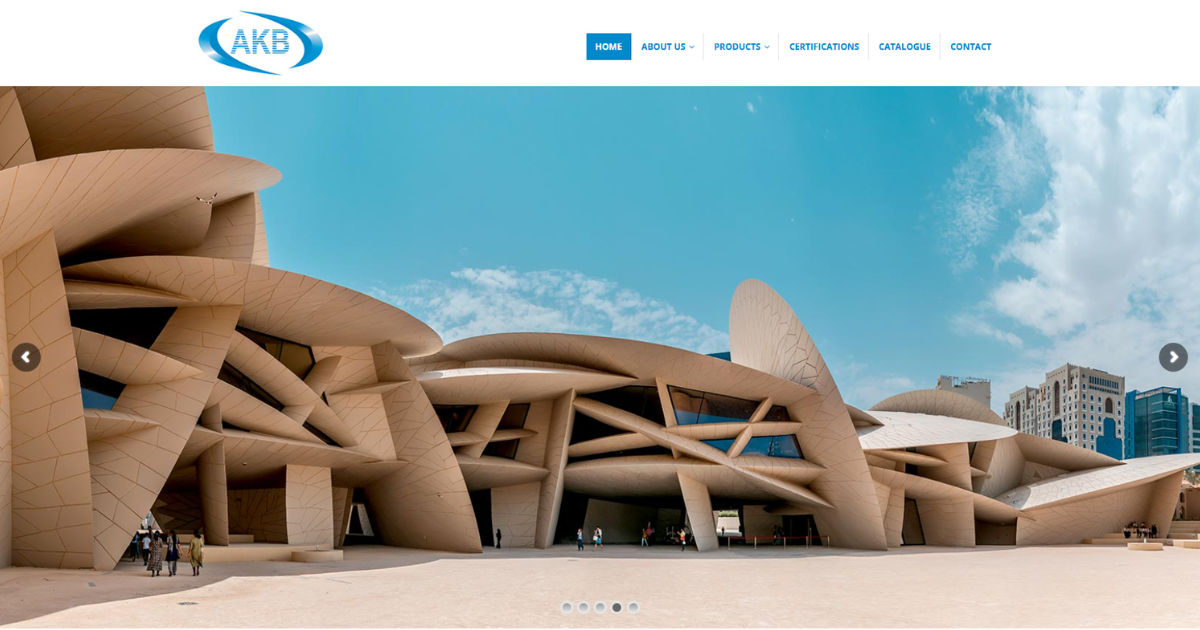
Companies like Akbari Engineering have been at the forefront of designing and implementing advanced façade systems that not only elevate aesthetics but also ensure safety standards are met.
Understanding how façade systems contribute to building safety is essential for architects, engineers, building managers, and even residents who value secure and resilient structures.
This guide explores the multifaceted ways in which façade systems contribute to safety, delves into materials and technologies, and highlights best practices for designing, installing, and maintaining safe façades.
What Are Façade Systems?
A façade system refers to the exterior envelope of a building, including walls, windows, doors, cladding, and other components that form the interface between the interior and exterior environment. While façades are often evaluated for their visual appeal, their primary function extends to safety, durability, and energy efficiency.
Modern façades are designed with multiple layers that serve different purposes:
- Structural Support: Load-bearing façades provide strength to withstand environmental pressures.
- Thermal Insulation: Protects interior spaces from extreme temperatures.
- Moisture Protection: Prevents water penetration that could compromise structural integrity.
- Fire Resistance: Limits the spread of fire and provides safe evacuation routes.
By integrating these elements, façade systems create a protective barrier while enhancing the building’s overall resilience.
Importance of Building Safety
Building safety is a critical concern in urban development. Poorly designed or maintained façades can lead to catastrophic outcomes such as structural failure, water damage, or fire hazards. Safety encompasses several aspects:
- Structural Stability: Ensures the building can withstand loads such as wind, snow, or seismic activity.
- Occupant Protection: Prevents injuries from falling debris, glass, or cladding failures.
- Fire Safety: Incorporates fire-resistant materials and compartmentalization.
- Environmental Protection: Guards against water infiltration, mold, and extreme temperature changes.
With the involvement of experienced engineers like those at Akbari Engineering, modern façade systems are engineered to address all these concerns effectively.
Key Components of Façade Systems for Safety
A well-designed façade system integrates multiple components that collectively enhance safety. These include:
1. Cladding Materials
Cladding is the outermost layer of a façade, providing both aesthetic appeal and protection against environmental hazards. Common cladding materials include:
- Aluminum Panels: Lightweight, durable, and resistant to corrosion.
- Glass Panels: High-performance glass offers thermal insulation, fire resistance, and impact resistance.
- Stone or Ceramic Tiles: Offer robustness and fireproof qualities.
- Composite Panels: Modern composites combine strength, lightweight properties, and insulation.
Safety is paramount when selecting cladding. Materials must meet building codes for fire resistance, load-bearing capacity, and impact resistance. Akbari Engineering ensures that all materials used are rigorously tested for these criteria.
2. Glazing Systems
Glazing systems involve the use of glass panels within façades. Safety glass, such as tempered or laminated glass, minimizes injury risks in case of breakage.
- Tempered Glass: Breaks into small, blunt pieces rather than sharp shards.
- Laminated Glass: Holds together when shattered due to a polymer interlayer.
Modern façade designs often incorporate double or triple glazing for enhanced thermal performance, which indirectly contributes to safety by maintaining internal environmental stability.
3. Fire-Resistant Barriers
Fire safety is critical in high-rise buildings. Façade systems often include fire-rated panels and insulation to prevent flames from spreading externally.
- Fire Retardant Insulation: Reduces the risk of fire penetration.
- Compartmentalization: Helps contain fire to a specific area, allowing safe evacuation.
- Smoke Barriers: Limit smoke spread, which is a leading cause of fatalities during fires.
Through these measures, façades act as the first line of defense in emergencies, protecting both occupants and property.
4. Anchoring and Support Systems
Even the best cladding materials are only as safe as their anchoring systems. Façade safety requires precise engineering of brackets, anchors, and framing to withstand environmental loads.
- Wind Load Resistance: Ensures panels remain secure during storms.
- Seismic Considerations: Allows façades to flex without collapsing during earthquakes.
- Maintenance Access: Safe designs for window cleaning and inspection reduce occupational hazards.
Akbari Engineering emphasizes rigorous testing of anchoring systems to ensure long-term reliability.
How Façades Protect Against Environmental Hazards
Façade systems are designed to mitigate risks from environmental factors that could compromise safety:
1. Wind and Storms
Tall buildings face tremendous wind pressure. Façade panels must resist detachment or breakage. Modern engineering practices include aerodynamic testing and wind tunnel simulations to ensure façade stability.
2. Water and Moisture Infiltration
Water penetration can weaken structural elements over time. A secure façade system incorporates:
- Proper sealants and joint design.
- Drainage channels to divert water.
- Water-resistant materials to prevent corrosion and mold growth.
By controlling moisture, façades protect the structural integrity and indoor air quality.
3. Thermal Extremes
Façades also serve as a thermal shield. Excessive heat or cold can affect structural materials and occupant comfort. Insulated façades reduce thermal expansion and contraction, which could otherwise cause cracks or material fatigue.
Fire Safety and Façade Systems
Fire incidents in buildings are often catastrophic when façades are flammable. Fire-resistant façade design is critical for life safety and property protection.
Key fire safety strategies include:
- Use of Non-Combustible Materials: Aluminum, glass, and mineral-based panels minimize fire spread.
- Thermal Breaks: Prevent heat transfer through metal frames.
- Fire Stops: Blocks cavities that could act as conduits for flames.
Modern façade engineers, like Akbari Engineering, prioritize fire safety in every design, ensuring compliance with international standards.
Façade Maintenance and Inspection for Safety
Even the best-designed façades can fail if not properly maintained. Routine inspections and maintenance are crucial for long-term safety.
Inspection Checklist:
- Panel Integrity: Check for cracks, corrosion, or detachment.
- Sealant Condition: Ensure no gaps or deterioration.
- Anchoring Systems: Inspect bolts, brackets, and frames for looseness or fatigue.
- Glass Condition: Look for chips, cracks, or broken seals in glazing.
Scheduled maintenance prevents small issues from escalating into major safety hazards.
Innovative Technologies in Façade Safety
Technological advances have transformed how façades contribute to building safety:
- Smart Glass: Adjusts transparency and reduces solar heat, indirectly lowering fire load risk.
- Sensor-Integrated Panels: Detect structural stress, moisture, or impact damage in real time.
- Robotic Inspection: Drones and automated systems inspect façades for potential hazards.
These innovations allow engineers to respond proactively, improving occupant safety and reducing long-term maintenance costs.
Role of Façade Engineering Firms
Specialized engineering firms play a pivotal role in ensuring façade safety. Akbari Engineering, for example, integrates the latest technologies, materials, and safety standards in its projects. Their services typically include:
- Façade design optimization for structural and environmental safety.
- Material selection and testing for fire and impact resistance.
- Installation supervision and quality assurance.
- Long-term maintenance planning and safety audits.
Such expertise ensures that every façade meets rigorous safety and regulatory requirements while maintaining aesthetic appeal.
Case Studies: Façade Systems Enhancing Safety
1. High-Rise Office Towers
In modern skyscrapers, façades protect against extreme wind loads and provide fire containment. Laminated glass and aluminum cladding ensure panels remain intact during storms, while fire-retardant insulation prevents rapid fire spread.
2. Residential Complexes
For residential buildings, façades prioritize occupant safety and comfort. Water-resistant panels, double-glazed windows, and secure anchoring systems prevent accidents while improving energy efficiency.
3. Hospitals and Schools
Sensitive environments require façades that enhance safety and resilience. In hospitals, façades prevent pathogen penetration, maintain temperature control, and ensure fire safety. Schools use impact-resistant glass and secure cladding to protect children from hazards.
These examples illustrate the versatility of façade systems in meeting safety requirements across various building types.
Best Practices for Safe Façade Design
- Early Integration in Design: Safety considerations must be part of the initial architectural plans.
- Material Testing: All cladding and glazing materials should meet fire, impact, and load standards.
- Redundancy in Anchoring: Backup supports reduce failure risk.
- Regular Maintenance: Inspections, cleaning, and repairs should be scheduled periodically.
- Regulatory Compliance: Designs must adhere to local and international safety codes.
- Collaboration with Experts: Engage façade engineering firms like Akbari Engineering to ensure professional oversight.
Conclusion
Façade systems are far more than a building’s aesthetic shell—they are fundamental to structural integrity, fire safety, environmental protection, and occupant well-being. By carefully selecting materials, implementing advanced glazing and cladding systems, incorporating fire-resistant components, and ensuring robust anchoring, façades act as a first line of defense against numerous hazards.
Regular maintenance and inspection, coupled with innovative technologies and expert engineering oversight, ensure that façades continue to perform their safety role throughout the building’s lifecycle. Companies like Akbari Engineering exemplify the integration of safety, design, and technology in modern façade systems.
In a world where urban environments are becoming increasingly complex, investing in high-quality, safety-oriented façades is not just a regulatory requirement—it is a moral and practical commitment to protecting lives and property. Properly designed and maintained façade systems enhance building resilience, reduce risk, and provide peace of mind to occupants and stakeholders alike.
A safe façade is a visible commitment to safety, sustainability, and architectural excellence—an investment that pays dividends in security, performance, and longevity.