
snow removal service Dallas is an necessary task for maintaining refuge, handiness, and overall comfort during the cold winter months. As snow and ice roll up on driveways, sidewalks, roadstead, and parking lots, the need for operational snow remotion becomes more and more material. Proper snow remotion not only helps in preventing accidents but also minimizes damage to surfaces, ensures smooth dealings flow, and keeps public and buck private spaces utile. However, snow remotion can be a intimidating and time-consuming task without the right equipment, proficiency, or provision. There are various methods and tools available for snow removal, each with its own set of advantages and considerations. Understanding how to approach snow remotion can help individuals and businesses make abreast decisions, reduce the risk of combat injury, and heighten winter safety.
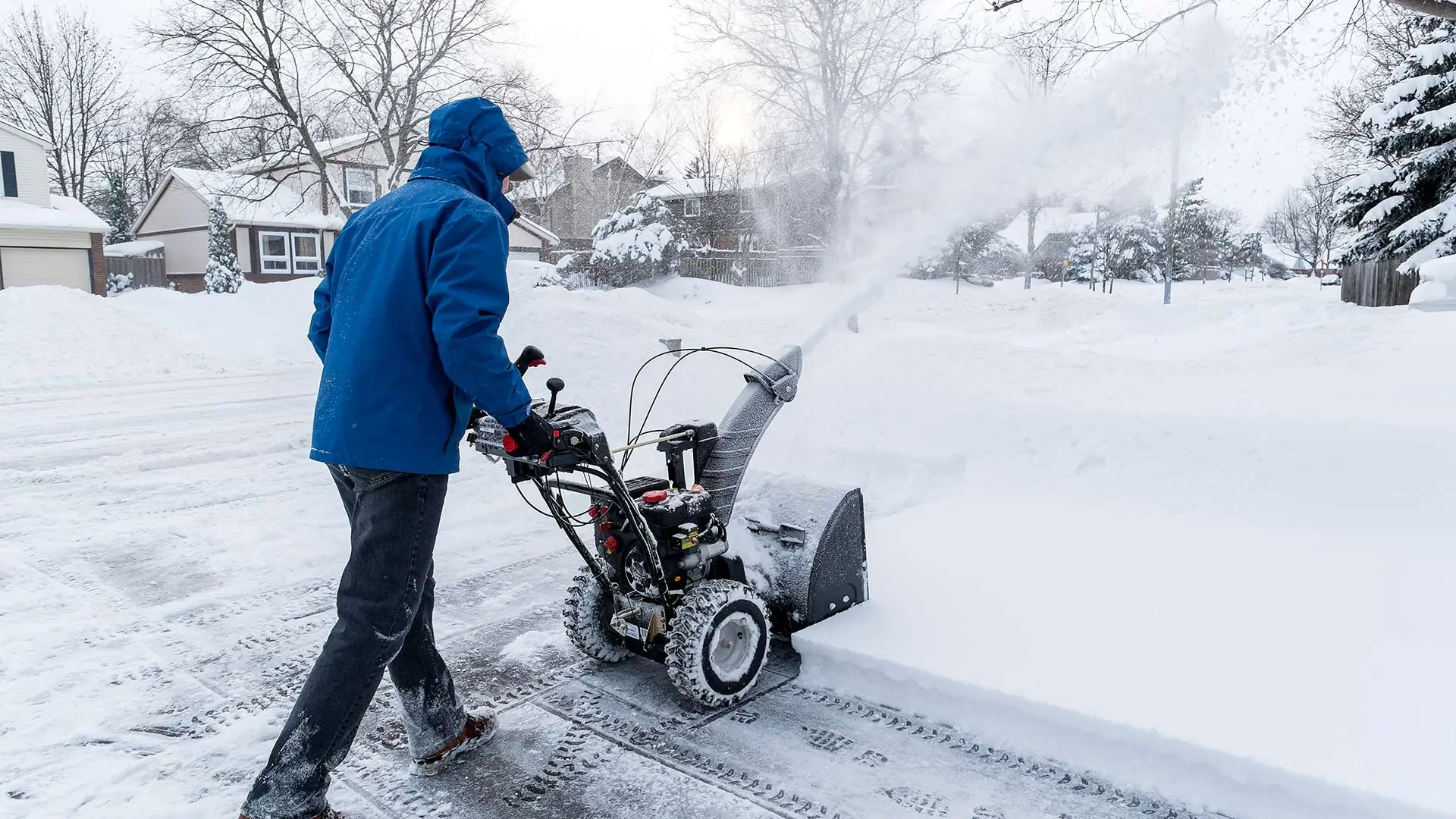
The first step in operational snow removal is having the right equipment for the job. For act properties, manual tools such as shovels, snow blowers, or salt spreaders are commonly used. Shovels are operational for small areas and dismount snowfalls but can be physically needy, especially after heavily snowstorms. Snow blowers, on the other hand, can make the job faster and less energetic by allowing individuals to clear big areas with ease. There are both single-stage and two-stage snow blowers available, with two-stage models being better right for deep or wet snow. For bigger commercial areas or parking lots, heavily-duty snow plows and snow pushers are often used, affixed on vehicles or tractors for efficiency.
Another world-shattering consideration for snow remotion is the timing. It’s prodigious to take up clearing snow as soon as possible to keep it from spile up and compacting into ice, which becomes much harder to transfer. In many cases, snow remotion professionals advocate snow quaternary multiplication throughout a storm to keep it from accumulating too much and becoming a saddle. For exemplify, removing the snow after every partner off of inches of aggregation helps keep off the need for heavy equipment or unreasonable drive later on. Snow that remains on the run aground for long periods of time can become impenetrable and unruly to remove, leading to the risk of slips and falls or to surfaces.
One of the key elements of snow remotion is the application of de-icing materials. Salt is the most common stuff used to melt ice and snow on roadstead, driveways, and sidewalks. Salt workings by lowering the freeze place of irrigate, allowing the snow and ice to melt even in freeze temperatures. However, inordinate salt use can have state of affairs drawbacks, as it can damage vegetation, foul irrigate systems, and corrode metal surfaces. Alternative de-icing products, such as Ca chloride or magnesium chloride, are less toxic to the environment and are often used in areas where salt is out or restricted. Sand and puzzle out can also be applied to better grip on icy surfaces, although they do not have any thaw properties.
The grandness of snow removal goes beyond just convenience; it plays a significant role in populace safety. Snow and ice accumulation can lead to hazardous conditions, particularly on highways and main roads. Slippery sidewalks can leave in falls, creating liabilities for prop owners. Commercial and human activity properties alike must ascertain their walkways are of snow and ice to keep off accidents and potential valid issues. Additionally, going away snow and ice unstained can lead to structural damage to buildings and made-up surfaces, as freeze and thaw can cause cracks and eating away over time.
In conclusion, snow remotion is an necessity winter task that requires careful provision, specific equipment, and well-timed litigate. By staying proactive with snow , using the right tools, and applying de-icing agents effectively, individuals and businesses can help check a safe and effective overwinter mollify. Whether you are maintaining a human action driveway or managing a boastfully commercial prop, the right approach to snow remotion will keep spaces safe, accessible, and -free during the harshest winter conditions.