
When people think about large-scale building projects, especially industrial facilities, they often imagine cranes, steel beams, and heavy machinery. But behind all that visible activity is a highly organized system of planning, coordination, and expertise.
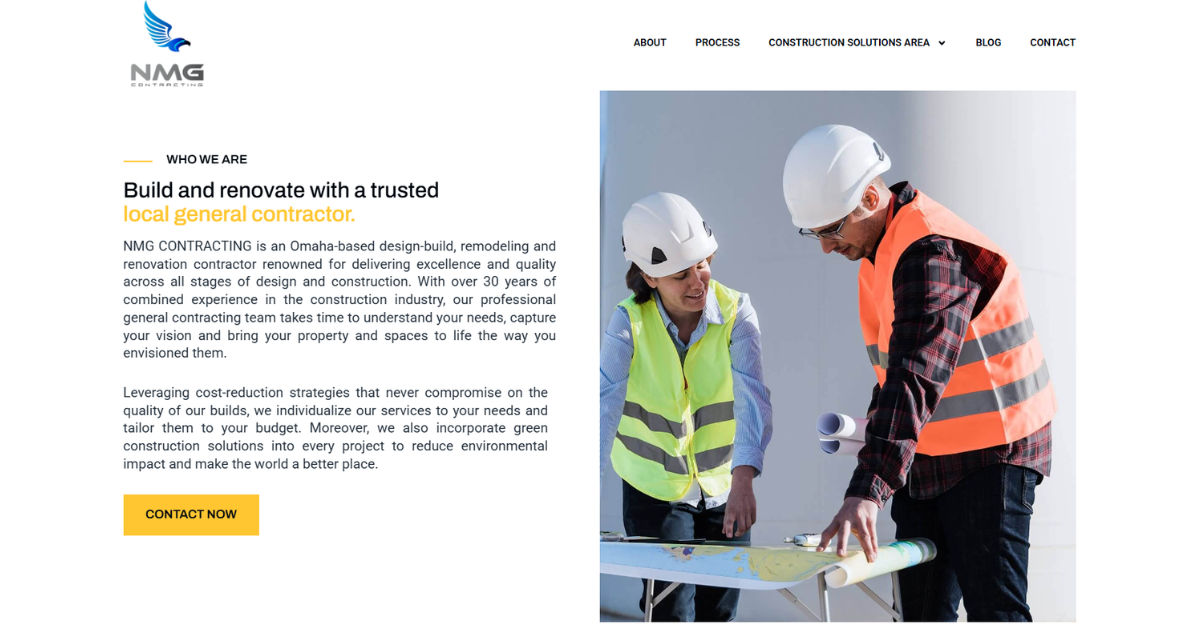 In Omaha, industrial construction projects follow a structured process managed by experienced teams, including a Commercial contractor, engineers, architects, and specialized subcontractors.
This guide explains how industrial contractor construction is handled in Omaha from start to finish. It breaks down each phase in simple terms so a 12th-grade reader can easily understand how complex industrial buildings come to life.
Understanding Industrial Construction in Omaha
Industrial construction refers to building facilities used for manufacturing, warehousing, energy production, logistics, and heavy operations. These are not residential or small commercial spaces. Instead, they are large-scale environments designed for efficiency, durability, and safety.
In Omaha, industrial construction has grown steadily due to its strong transportation network, central U.S. location, and business-friendly environment. Companies rely on a Commercial contractor to manage these complex builds because they require technical expertise, regulatory knowledge, and strong project coordination.
An industrial project may include:
- Warehouses and distribution centers
- Manufacturing plants
- Food processing facilities
- Energy and utility buildings
- Storage and logistics hubs
Each of these structures has different technical requirements, but the overall construction process follows a similar framework.
The Role of a Commercial Contractor in Industrial Projects
A Commercial contractor plays a central role in industrial construction. They are responsible for managing the entire building process from planning to completion.
Their responsibilities typically include:
- Coordinating architects and engineers
- Hiring and managing subcontractors
- Securing permits and approvals
- Managing budgets and timelines
- Ensuring safety compliance
- Overseeing material procurement
- Monitoring construction progress
In Omaha industrial projects, the Commercial contractor acts as the main point of communication between the client and the construction teams. Without this coordination, large projects would quickly become disorganized and inefficient.
Initial Planning and Project Development
Every industrial construction project begins with planning. This is the stage where ideas are turned into structured plans.
The Commercial contractor works with the client to understand:
- The purpose of the facility
- Required building size
- Machinery and equipment needs
- Budget expectations
- Timeline goals
- Future expansion possibilities
At this stage, feasibility studies are often conducted. These studies determine whether the project is realistic based on land availability, zoning laws, environmental conditions, and cost estimates.
In Omaha, zoning regulations are particularly important because industrial zones must comply with city planning rules. A Commercial contractor ensures that all legal requirements are understood before construction begins.
Site Selection and Preparation
Once planning is complete, the next step is choosing and preparing the construction site.
Site selection is crucial because industrial buildings require:
- Easy transportation access (roads, highways, rail)
- Stable ground conditions
- Utility availability (water, electricity, gas)
- Proper zoning classification
After selecting the site, preparation begins. This may include:
- Clearing vegetation or old structures
- Leveling the ground
- Soil testing and reinforcement
- Installing temporary access roads
- Setting up construction offices
A Commercial contractor supervises these tasks to ensure the land is ready for heavy construction work.
Design and Engineering Phase
The design phase transforms ideas into detailed blueprints. Architects and engineers collaborate closely with the Commercial contractor to create a functional and efficient layout.
Key considerations include:
- Structural strength for heavy machinery
- Efficient workflow design
- Ventilation and temperature control
- Electrical and plumbing systems
- Safety exits and fire protection systems
Industrial buildings often require specialized engineering, especially if they involve manufacturing or storage of heavy materials.
In Omaha industrial projects, energy efficiency and sustainability are also becoming more important. Designers often include:
- LED lighting systems
- Energy-efficient HVAC systems
- Solar panel readiness
- Water recycling systems
The Commercial contractor ensures that the design aligns with the client’s budget and construction timeline.
Permits, Regulations, and Legal Compliance
Before construction can begin, multiple permits and approvals are required. These ensure the building meets safety, environmental, and zoning standards.
Common approvals include:
- Building permits
- Environmental permits
- Fire safety approvals
- Electrical and mechanical permits
A Commercial contractor handles much of this paperwork. This is one of the most important roles they play because missing a permit can delay the entire project.
Omaha has strict construction regulations to ensure industrial buildings are safe and environmentally responsible. Compliance is not optional—it is required by law.
Budgeting and Cost Management
Industrial construction projects are expensive and require careful financial planning. A Commercial contractor develops a detailed budget that covers all aspects of construction.
Typical cost categories include:
- Land acquisition
- Materials (steel, concrete, insulation)
- Labor costs
- Equipment rental
- Permits and fees
- Safety and insurance
- Unexpected contingencies
Cost control is an ongoing process. During construction, the Commercial contractor continuously monitors spending to ensure the project stays within budget.
If unexpected issues arise, such as material price increases or weather delays, adjustments are made while keeping the project on track.
Procurement of Materials and Equipment
Once planning and budgeting are complete, materials and equipment are ordered. Industrial construction requires large quantities of specialized materials, such as:
- Structural steel
- Reinforced concrete
- Industrial-grade insulation
- Heavy-duty electrical systems
- Mechanical systems for ventilation and cooling
The Commercial contractor works with suppliers to ensure materials arrive on time. Delays in procurement can slow down the entire project, so timing is critical.
Equipment such as cranes, bulldozers, and forklifts are also arranged during this phase.
Construction Phase: Breaking Ground
This is the phase most people recognize as “construction.” It begins with excavation and foundation work.
Foundation Work
The foundation is one of the most important parts of any industrial building. It must support heavy machinery and large structures.
Steps include:
- Excavation of the site
- Pouring concrete foundations
- Installing reinforcement steel
- Waterproofing and insulation
A Commercial contractor ensures the foundation meets engineering specifications.
Structural Construction
After the foundation is complete, the main structure is built. This typically involves steel framing because it is strong and durable.
Tasks include:
- Erecting steel beams
- Installing support columns
- Building walls and roofing systems
Industrial structures in Omaha often use pre-engineered steel systems because they are efficient and cost-effective.
Mechanical, Electrical, and Plumbing (MEP)
MEP systems are essential for industrial operations.
- Electrical systems power machinery and lighting
- Plumbing systems manage water supply and waste
- Mechanical systems control heating, cooling, and ventilation
The Commercial contractor coordinates specialized subcontractors to install these systems correctly.
Safety Management During Construction
Safety is a top priority in industrial construction. Large equipment and heavy materials increase risks, so strict safety protocols are followed.
Common safety measures include:
- Protective gear for workers
- Regular safety training
- Equipment inspections
- Hazard monitoring
- Emergency response plans
A Commercial contractor is responsible for enforcing safety rules on-site. In Omaha, safety compliance is also monitored by local authorities.
Quality Control and Inspections
Quality control ensures that every part of the building meets design standards.
This includes:
- Structural inspections
- Electrical system testing
- Plumbing verification
- Material quality checks
Inspections occur at multiple stages of construction. The Commercial contractor works closely with inspectors to fix any issues immediately.
Project Timeline Management
Industrial construction projects often take months or even years to complete. Managing timelines is essential to avoid delays.
A Commercial contractor uses scheduling tools to:
- Track progress
- Coordinate teams
- Adjust timelines when needed
- Prevent bottlenecks
Weather conditions in Omaha, such as snow or heavy rain, can sometimes delay construction. Proper planning helps reduce these risks.
Final Finishing and Handover
Once the main structure is complete, finishing work begins. This includes:
- Painting and interior finishing
- Installing lighting and fixtures
- Final system testing
- Cleaning and site preparation
After everything is completed, final inspections are conducted. If the building passes all requirements, it is handed over to the client.
The Commercial contractor ensures that the facility is fully operational before project closure.
Challenges in Industrial Construction in Omaha
Industrial construction is complex and comes with challenges such as:
- Weather delays
- Rising material costs
- Labor shortages
- Regulatory changes
- Supply chain disruptions
A skilled Commercial contractor anticipates these challenges and develops backup plans to keep the project moving forward.
Importance of Industrial Construction for Omaha’s Economy
Industrial construction plays a major role in Omaha’s economic growth. It supports:
- Job creation
- Business expansion
- Transportation and logistics development
- Manufacturing growth
Without industrial facilities, many businesses would not be able to operate efficiently. A strong Commercial contractor industry helps maintain this economic development.
Conclusion
Industrial contractor construction in Omaha is a highly organized and technical process that requires careful coordination at every stage. From initial planning and design to final handover, each step plays a critical role in ensuring a successful project.
The Commercial contractor is the central figure who brings all parts of the project together. They manage planning, budgeting, construction, safety, and communication between all teams involved. Without this leadership, large industrial projects would be difficult to complete efficiently or safely.
Omaha continues to grow as a hub for industrial development, and the demand for skilled construction management will only increase in the future. Understanding how these projects are handled gives a clear picture of the complexity and precision involved in building the infrastructure that supports modern industry.