
Urine tests are commonly used in medical checkups because they provide a quick snapshot of your overall health.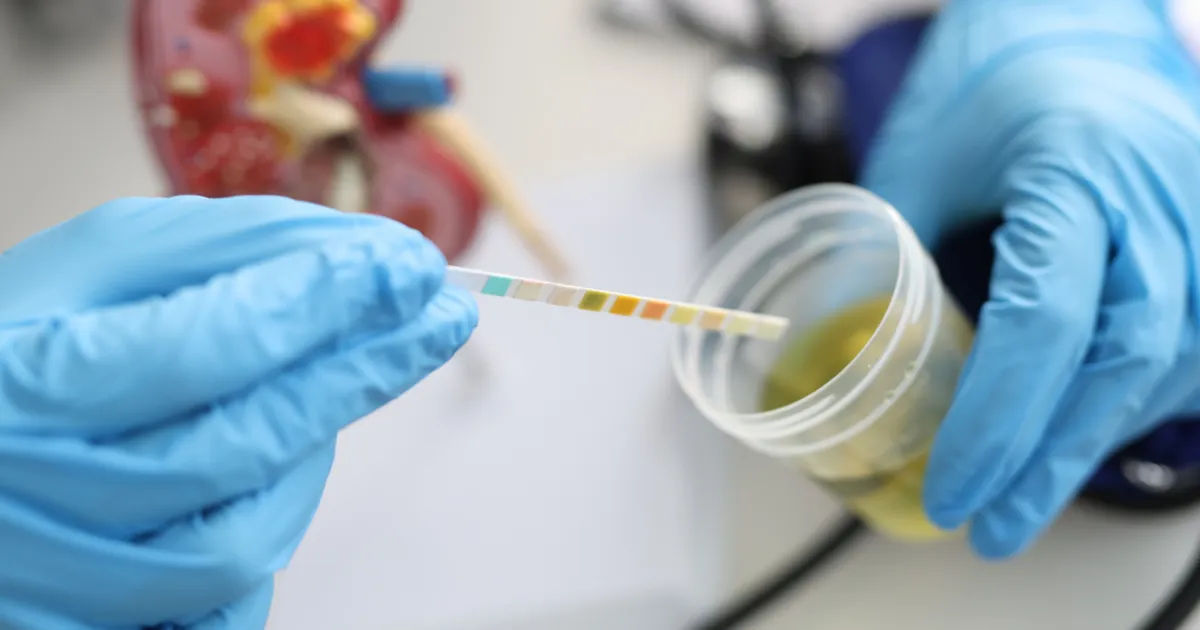
When results come back “abnormal,” including can you freeze urine for a drug test, it can sound alarming—but it doesn’t always mean something serious is wrong. An abnormal urine test simply means that one or more measured values fall outside the expected range.
Understanding what caused the change is the key to interpreting the result correctly.
What Is a Urine Test?
A urine test, also called urinalysis, is a laboratory examination of your urine. It helps doctors detect signs of illness, infection, or metabolic issues.
A typical urine test checks for:
- Color and clarity
- pH (acidity level)
- Protein levels
- Glucose (sugar)
- Ketones
- Blood cells
- Bacteria or infection markers
- Crystals or minerals
Even small changes in these values can make a report appear abnormal.
Common Reasons for Abnormal Urine Test Results
There are many possible reasons why a urine test may not fall within the normal range. These causes range from harmless temporary conditions to more serious medical issues.
1. Dehydration
One of the most common causes is not drinking enough water.
When you are dehydrated:
- Urine becomes darker in color
- It may show higher concentration of waste products
- Specific gravity increases
This is usually harmless and improves once fluid intake increases.
2. Urinary Tract Infection (UTI)
A urinary tract infection is a major cause of abnormal urine results.
Signs may include:
- Presence of bacteria
- White blood cells (pus cells)
- Cloudy urine
- Strong odor
- Sometimes blood in urine
UTIs are common and usually treatable with antibiotics.
3. Kidney Problems
The kidneys filter waste from the blood. If they are not working properly, urine test results can show warning signs.
Possible indicators include:
- Protein in urine (proteinuria)
- Blood in urine (hematuria)
- Abnormal creatinine levels
Conditions like kidney infection, kidney stones, or chronic kidney disease may cause these changes.
4. Diabetes or High Blood Sugar
When blood sugar is not controlled, glucose can appear in urine.
This may indicate:
- Diabetes
- Prediabetes
- Poor glucose control
Ketones may also appear if the body is breaking down fat for energy instead of glucose.
5. Physical Exercise or Stress
Heavy exercise or physical stress can temporarily affect urine results.
Possible effects:
- Small amount of blood in urine
- Temporary protein increase
- Mild dehydration
These changes usually return to normal after rest.
6. Medications and Supplements
Certain medicines and supplements can affect urine test readings.
Examples include:
- Antibiotics
- Vitamin C (high doses)
- Diuretics (water pills)
- Some painkillers
Always inform your doctor about what you are taking.
7. Liver Problems
The liver processes waste products that eventually pass through urine.
Abnormal findings may include:
- Bilirubin in urine
- Dark-colored urine
- Unusual chemical markers
This may suggest liver inflammation or disease.
8. Pregnancy
Pregnancy naturally changes hormone levels, which can affect urine test results.
Possible findings:
- Protein traces
- Hormonal markers (hCG)
- Changes in pH
Pregnancy tests themselves are based on urine analysis.
9. Diet and Food Intake
What you eat can also influence urine results.
Examples:
- Beets may cause red-colored urine
- High-protein diets may increase protein levels
- Asparagus may change odor
These changes are usually harmless.
Types of Abnormal Findings in Urine Tests
Understanding specific abnormalities helps interpret results better.
Protein in Urine
Protein should normally stay in the blood. If it appears in urine, it may indicate:
- Kidney stress or damage
- High blood pressure
- Temporary physical strain
Blood in Urine
Blood in urine can be visible or microscopic.
Possible causes:
- Kidney stones
- Infection
- Injury
- Menstruation (in females)
Sugar in Urine
This often points to:
- Diabetes
- High blood sugar levels
- Hormonal imbalance (rare cases)
White Blood Cells
Usually suggest:
- Infection
- Inflammation in urinary tract
Ketones in Urine
Ketones appear when the body burns fat for energy instead of carbohydrates.
Common causes:
- Fasting
- Low-carb diets
- Uncontrolled diabetes
How Doctors Interpret Abnormal Results
Doctors rarely rely on a single urine test. Instead, they look at:
- Medical history
- Symptoms
- Physical examination
- Repeat tests if needed
A single abnormal result does not confirm disease.
What You Should Do If Your Urine Test Is Abnormal
If your urine test report is abnormal, follow these steps:
1. Stay Calm
Many abnormalities are temporary and harmless.
2. Check Symptoms
Ask yourself:
- Do I feel pain or burning while urinating?
- Do I have fever or fatigue?
- Is there visible blood?
Symptoms help narrow down causes.
3. Drink Enough Water
Proper hydration often corrects mild abnormalities.
4. Avoid Self-Diagnosis
Do not assume the worst without medical advice.
5. Follow Up With a Doctor
A healthcare provider may recommend:
- Repeat urine test
- Blood tests
- Ultrasound
- Further evaluation
How to Prevent Abnormal Urine Test Results
While not all abnormalities are preventable, healthy habits help reduce risk.
Maintain Good Hydration
Drink enough water daily.
Eat a Balanced Diet
Avoid excessive sugar, salt, and processed food.
Practice Good Hygiene
This reduces risk of infections.
Manage Chronic Conditions
Control diabetes and blood pressure properly.
Avoid Overuse of Medication
Only take drugs as prescribed.
When an Abnormal Result Is Serious
Some situations need immediate attention:
- Persistent blood in urine
- Severe pain during urination
- Very high protein levels
- Signs of kidney failure
- Repeated abnormal results
These may require urgent medical evaluation.
Conclusion
An abnormal urine test does not always mean a serious illness. It is a signal that something in your body may need attention, whether it is hydration, infection, diet, or an underlying medical condition. Understanding the possible causes helps reduce anxiety and supports better health decisions.
Most importantly, urine tests should always be interpreted alongside symptoms and medical advice rather than in isolation. Early detection and proper follow-up can prevent minor issues from becoming serious health problems.